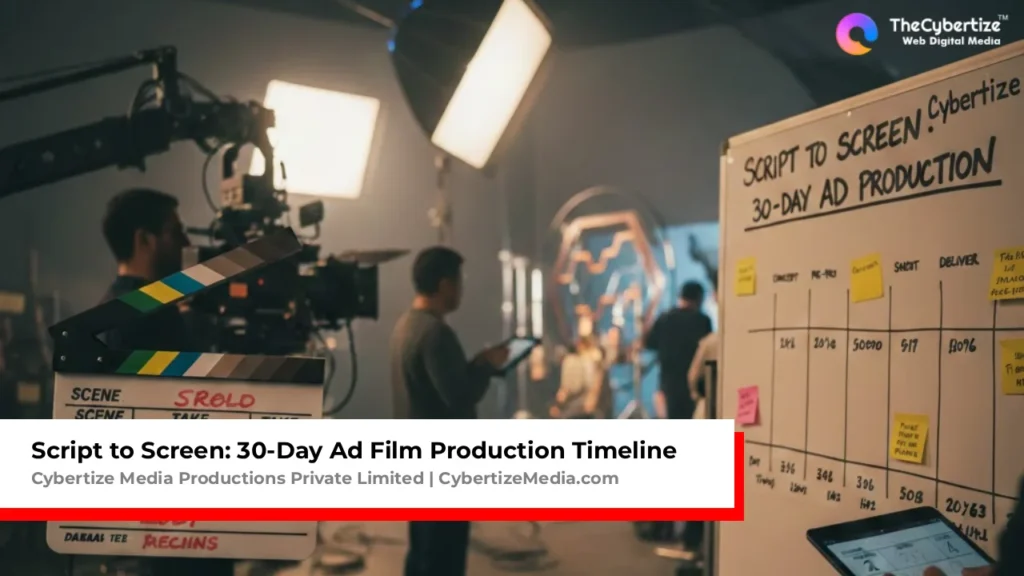
From Script to Screen: Our 30-Day Ad Film Production Timeline, “How long does it take to create a commercial?”
We hear this question weekly at Cybertize Media Productions. Clients expect either two answers: a vague “it depends” or an overly simplified “a few weeks.” Neither helps you plan budgets, coordinate marketing launches, or understand where your investment actually goes.
The reality? Professional ad film production isn’t magic—it’s methodology. It’s not chaos—it’s controlled
coordination. And it’s definitely not something that happens overnight, nor does it take months when executed with precision.
At Cybertize Media Productions Private Limited, we’ve refined our ad film production process into a reliable 30-day timeline that delivers broadcast-quality commercials from concept approval to final delivery. This isn’t theory—it’s the battle-tested workflow we use for clients ranging from startups launching first products to established brands running national campaigns.
Top Cybertize Offerings
Our comprehensive Media & Tech Services in India offerings include:
| Service Category | Specific Services |
|---|---|
| Film Production | Film, Web Series, Short films, Cinematic Films, IG Reels, Ad Films |
| Animation Production | 2D animation, 3D animation, Walkthrough, Medical Animation, Explainer Videos |
| Software Development | CMS (Content Management Softwares), On Demand Software, Edtech, SaaS Portals, ERPs, Cloud Infra, AWS, Azure |
| SEO & Content Marketing | Blog writing, video production, infographics, email marketing, white papers, case studies, On Page SEO, Link Building |
| Web Development | Website design, responsive development, e-commerce, CMS implementation, site optimization |
| AI / ML | Artificial Intelligence / Machine Learning |
In an industry where 60% of ad films miss their original deadlines and 40% exceed initial budgets, predictable timelines represent competitive advantage. Brands need to coordinate campaigns across channels, secure media placements, and align with product launches. None of that works when production timelines are uncertain.
This comprehensive guide reveals exactly what happens during those 30 days—the strategy behind each phase, the decisions that matter, the pitfalls that derail projects, and the systematic approach that transforms scripts into screens on schedule and on budget.
Whether you’re commissioning your first commercial or evaluating production partners, understanding this timeline empowers better decisions, realistic expectations, and ultimately, more effective advertising.
From Script to Screen: Our 30-Day Ad Film Production Timeline, Why 30 Days? The Strategic Timeline Sweet Spot
Before diving into the timeline itself, understanding why 30 days represents the optimal duration for professional ad film production is essential.
The Three-Phase Structure
Professional ad film production naturally divides into three phases, each requiring roughly equal time investment:
Pre-Production (Days 1-10): Planning, preparation, creative development Production (Days 11-15): Principal photography and content capture Post-Production (Days 16-30): Editing, refinement, and delivery
This 1:1:3 ratio (pre-production : production : post-production) reflects where complexity and value creation actually occur. While production—the actual filming—seems like the main event, it’s the shortest phase. The majority of time goes to preparation before and refinement after.
Shorter Timelines: Where Quality Compromises
15-Day “Rush” Timeline:
- Inadequate pre-production planning (3-4 days)
- Compromised location scouting and casting
- Less rehearsal and refinement time
- Higher risk of expensive problems on set
- Rushed post-production limiting creative options
- Higher costs due to rush fees and overtime
From Script to Screen: Our 30-Day Ad Film Production Timeline: Rush timelines work for simple projects but compromise quality on anything complex. We occasionally execute 15-day projects, but only for very straightforward content with minimal requirements.
Longer Timelines: Diminishing Returns
60-90 Day Extended Timeline:
- Helpful for: Large-scale productions, celebrity talent, complex VFX
- Unnecessary for: Standard 30-60 second commercials
- Risk of: Project creep, decision paralysis, inflated costs
- Delay in: Market responsiveness, campaign launches
Extended timelines make sense for major brand campaigns, celebrity-driven spots, or VFX-heavy productions. But most commercial work doesn’t require or benefit from doubling the timeline.
From Script to Screen: Our 30-Day Ad Film Production Timeline: The 30-Day Goldilocks Zone
30 days provides:
- Sufficient pre-production for quality planning without overthinking
- Focused production with clear execution timeline
- Adequate post-production for creative refinement and client feedback
- Cost efficiency without rush fees or extended overhead
- Market responsiveness aligning with typical campaign timelines
- Predictable coordination with media buying and launch plans
This is the timeline we recommend for 80% of commercial work, from product launches to brand stories to service explainers.
Phase 1: Pre-Production (Days 1-10) – Where Success Is Determined

Pre-production is where ad films are won or lost. Comprehensive planning during these first 10 days prevents expensive problems later and establishes the creative foundation for everything that follows.
Days 1-2: Project Kickoff and Creative Brief Refinement
What Happens:
Internal Kickoff Meeting (Cybertize Media team):
- Review approved creative brief and script
- Identify key challenges and opportunities
- Assign roles and responsibilities
- Establish communication protocols
- Create preliminary timeline and milestone map
Client Kickoff Meeting:
- Align on vision, objectives, and success metrics
- Review script and creative direction
- Confirm budget parameters and any constraints
- Establish approval process and key stakeholders
- Set communication cadence and decision timelines
Script Analysis and Treatment Development:
- Break down script shot-by-shot
- Identify technical requirements (VFX, special equipment, etc.)
- Develop visual treatment and reference materials
- Create preliminary shot list
- Flag potential production challenges early
Key Deliverables:
- Confirmed creative brief
- Approved script
- Visual treatment document
- Preliminary shot list
- Production timeline
- Contact list with all stakeholders
Critical Success Factors:
- Get all stakeholders in alignment now, not later
- Document everything—verbal agreements become disputes
- Identify and flag challenges early while solutions are cheap
- Establish clear decision-making authority to prevent delays
Common Pitfalls to Avoid:
- Skipping the kickoff to “save time” (causes confusion later)
- Unclear approval processes (leads to endless revision loops)
- Assumptions about creative vision without explicit alignment
- Underestimating technical requirements
Days 3-4: Casting and Talent Selection
What Happens:
Casting Strategy Development:
- Determine talent requirements (professional actors, real people, voice-over, etc.)
- Define character profiles and requirements
- Decide between casting agency vs. internal casting
- Establish budget for talent fees
Casting Process:
- Release casting call (if using casting agency)
- Review actor submissions and reels
- Conduct auditions (in-person or self-tape)
- Chemistry reads if multiple actors needed
- Negotiate rates and availability
Talent Contracting:
- Send offers to selected talent
- Negotiate usage rights and buyouts
- Execute talent agreements
- Confirm availability for shoot dates
- Arrange wardrobe fittings if needed
Voice-Over Selection (if applicable):
- Review voice artist demos
- Record sample reads with shortlist
- Select final voice artist
- Schedule recording session
Key Deliverables:
- Confirmed cast with signed agreements
- Talent availability confirmed
- Usage rights documented
- Wardrobe plan (if needed)
Critical Success Factors:
- Cast slightly ahead of schedule—talent availability can shift
- Negotiate usage rights upfront to avoid expensive renegotiations
- Record chemistry reads if multiple actors share significant screen time
- Have backup options for key roles in case of last-minute availability issues
Budget Considerations:
- Professional actors: ₹15,000-₹75,000/day (varies by experience and project)
- Voice artists: ₹5,000-₹25,000 for commercial work
- Usage rights buyouts: Additional 50-200% of base fee depending on scope
- Casting agency fees: Typically 15-20% of talent fees
Days 5-6: Location Scouting and Securing
What Happens:
Location Requirements Analysis:
- Review script for location needs
- Define specific requirements (interior/exterior, size, aesthetic, etc.)
- Consider practical factors (power access, parking, permissions)
- Determine if studio vs. practical location makes sense
Location Scouting:
- Research potential locations
- Visit top candidates with director and DP
- Photograph locations from multiple angles
- Assess logistical considerations (lighting, sound, access)
- Check availability for shoot dates
Location Selection and Securing:
- Present options to client with recommendations
- Negotiate location fees and terms
- Secure permits and permissions
- Arrange site access for prep and shoot days
- Plan parking and basecamp logistics
Technical Survey:
- Conduct technical scout with key crew
- Measure spaces and plan equipment needs
- Identify power requirements and sources
- Plan for weather contingencies (outdoor shoots)
- Map out camera positions and lighting setups
Key Deliverables:
- Confirmed locations with agreements
- Location photos and measurements
- Permits and permissions secured
- Technical survey notes
- Logistics plan for each location
Critical Success Factors:
- Scout at the same time of day you’ll shoot (light changes dramatically)
- Check for noise issues (nearby construction, traffic, aircraft)
- Verify power capacity before committing
- Have backup location options for outdoor shoots
- Factor in setup/breakdown time in location rental
Location Budget Considerations:
- Studio rental: ₹15,000-₹50,000/day depending on size and facilities
- Practical locations: ₹10,000-₹1,00,000/day (widely variable)
- Permits: ₹5,000-₹25,000 depending on location and requirements
- Location insurance: Usually included in production insurance
Days 7-8: Production Design and Styling
What Happens:
Art Direction and Design:
- Develop visual aesthetic aligned with brand guidelines
- Create mood boards and design references
- Plan color palette across all elements
- Design or source key props and set pieces
Set Design (if using studio):
- Design set layouts and construction plans
- Source materials and begin construction
- Plan set dressing and decoration
- Coordinate with lighting team on design
Prop Selection and Sourcing:
- Create comprehensive prop list from script
- Source, purchase, or fabricate required props
- Arrange prop rental if needed
- Plan prop placement and usage
Wardrobe Planning:
- Develop wardrobe concepts for each character
- Source clothing options
- Coordinate fittings with talent
- Prepare backup wardrobe options
- Plan hair and makeup looks
Key Deliverables:
- Production design deck with visual references
- Set design and construction (if applicable)
- Complete prop inventory
- Confirmed wardrobe selections
- Hair and makeup plan
Critical Success Factors:
- Maintain brand consistency across all visual elements
- Test props and set pieces in-camera before shoot day
- Have backup options for key visual elements
- Color-test wardrobe under planned lighting
- Allow time for set construction and prop fabrication
Budget Allocation:
- Set construction: ₹25,000-₹2,00,000 depending on complexity
- Props and set dressing: ₹10,000-₹50,000
- Wardrobe: ₹5,000-₹25,000 per character
- Hair and makeup: ₹8,000-₹15,000/day for professional artists
Days 9-10: Technical Planning and Final Prep
What Happens:
Shot List and Storyboard Finalization:
- Finalize detailed shot list with technical specifications
- Create or refine storyboards for complex sequences
- Plan shot order for production efficiency
- Identify potential time or complexity challenges
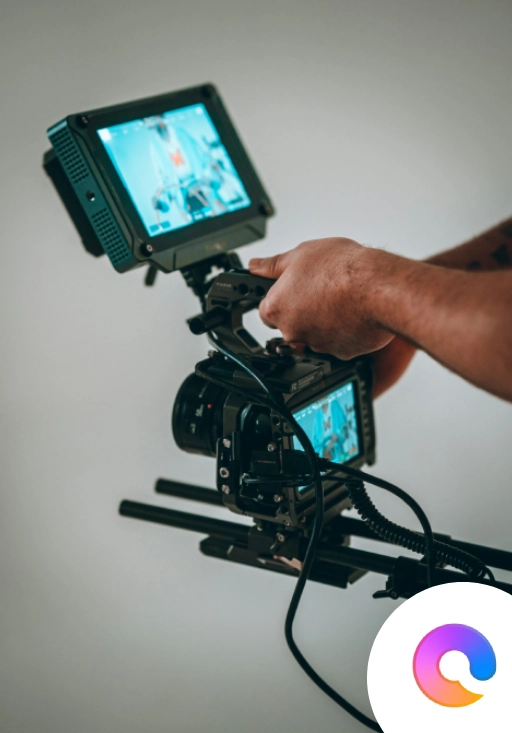
Equipment Planning:
- Determine camera package requirements
- Plan lighting equipment needs
- Arrange specialty equipment (dollies, cranes, drones, etc.)
- Coordinate audio recording equipment
- Reserve and arrange equipment rental
Crew Finalization:
- Confirm all crew positions filled
- Conduct crew call confirming availability
- Distribute call sheets and production information
- Schedule pre-production meeting with all crew
- Assign specific responsibilities and expectations
Production Schedule:
- Create detailed shooting schedule
- Plan for setup and breakdown time
- Build in contingency time
- Coordinate with location access times
- Plan meal breaks and turnaround times
Technical Rehearsal (if complex choreography or stunts):
- Rehearse complicated sequences
- Work through technical blocking
- Test equipment and special effects
- Refine timing and coordination
Pre-Production Meeting:
- Full crew walkthrough of entire production plan
- Review shot list, schedule, and logistics
- Address questions and concerns
- Confirm communication protocols
- Distribute final call sheets
Key Deliverables:
- Final shot list with technical specs
- Complete shooting schedule
- Equipment list and rental confirmations
- Crew list with contact information
- Call sheets for all shoot days
- Emergency contact list and protocols
Critical Success Factors:
- Over-communicate rather than under-communicate
- Build 20% contingency time into schedule
- Have backup plans for key equipment failures
- Test all technical elements before shoot day
- Ensure everyone has the same information
What Can Go Wrong:
- Equipment unavailable on desired dates
- Crew availability changes
- Location access timing restrictions discovered late
- Technical requirements underestimated
- Communication breakdowns causing confusion
Phase 2: Production (Days 11-15) – Execution Under Pressure
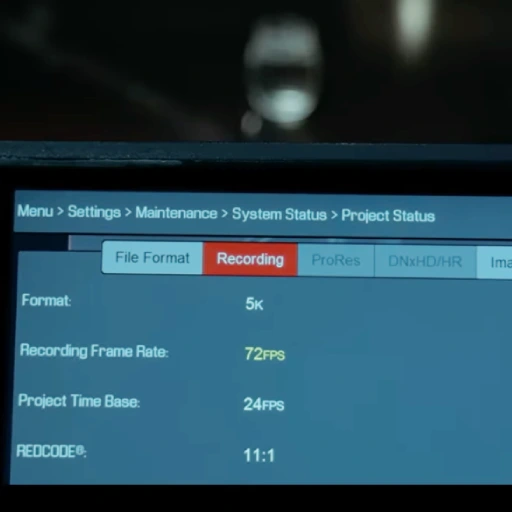
From Script to Screen: Our 30-Day Ad Film Production Timeline, Production—the actual filming—is where planning converts to content. These 5 days represent the most intense period of the entire timeline, with large teams coordinating complex logistics under time pressure.
Day 11: Production Day 1 – Setup and Establishing Shots
What Happens:
Morning (6:00 AM – 12:00 PM):
Crew Call and Setup (6:00-8:00 AM):
- Crew arrives at location
- Equipment unloaded and organized
- Camera and lighting setup begins
- Basecamp established
- Safety briefing conducted
First Shot Setup (8:00-10:00 AM):
- Camera positioned for first shot
- Lighting set and refined
- Sound levels checked
- Final checks on all equipment
- Talent arrives and goes through hair/makeup
First Shot (10:00 AM):
- Rehearsal with talent blocking
- Technical rehearsal (camera, lighting, sound)
- First take recorded
- Review and adjustments
- Additional takes as needed
Afternoon (12:00 PM – 7:00 PM):
Coverage Shooting:
- Shoot planned shot list systematically
- Capture multiple takes for safety
- Record alternate versions for editing options
- Adjust for timing if ahead or behind schedule
Typical Day 1 Focus:
- Establishing shots and wide angles
- Master shots covering entire scenes
- B-roll and cutaway content
- Simpler setups to build momentum
Evening Wrap (6:00-7:00 PM):
- Final shots completed
- Equipment secured
- Location cleaned and restored
- Review footage (data management)
- Prep notes for next day
Key Deliverables:
- Approximately 30-50% of shot list completed
- All footage backed up to multiple drives
- Production notes and shot logs
- Day 2 call sheet finalized
Critical Success Factors:
- Start with simpler shots to build momentum
- Keep energy high with efficient workflow
- Monitor time carefully—adjust schedule if needed
- Review critical footage before wrapping
- Communicate constantly—director, DP, AD aligned
What Can Go Wrong (And How to Handle It):
- Weather changes (outdoor shoots): Have indoor backup options
- Talent issues: Keep backup talent on standby if possible
- Equipment malfunctions: Carry backup camera and key equipment
- Time running over: Have priority shot list—know what’s essential
- Location issues: Pre-coordinate with location management
Days 12-13: Production Days 2-3 – Main Content Capture
What Happens:
These middle production days focus on capturing the core content—the shots that carry primary narrative and emotional weight.
Production Rhythm Established:
- Crew now familiar with workflow
- Setup times faster than Day 1
- Focus on capturing hero shots and key moments
- More takes per shot to ensure quality options
- Attention to performance nuance and detail
Complex Shots and Sequences:
- Choreographed action or movement
- Dialogue scenes requiring multiple angles
- Product close-ups and hero shots
- Emotion-heavy performance moments
- Any VFX plates or special requirements
Coverage Strategy:
- Master shots establishing spatial relationships
- Medium shots for action and interaction
- Close-ups for emotion and detail
- Cutaways and reaction shots
- Over-the-shoulder shots for dialogue scenes
Continuous Evaluation:
- Director and DP reviewing footage between setups
- Checking for continuity issues
- Ensuring coverage is complete
- Adjusting shot list based on what’s working
- Managing time against remaining schedule
Key Deliverables:
- 80-90% of shot list completed by end of Day 13
- Critical hero shots captured
- Sufficient coverage for editing flexibility
- All footage backed up and organized
- Notes on any pickups needed
Critical Success Factors:
- Maintain consistency in lighting and performance across takes
- Get coverage from multiple angles for editing options
- Capture safety takes of critical shots
- Monitor audio quality constantly
- Keep talent energy consistent across the day
Days 14-15: Production Days 4-5 – Completion and Pickups
From Script to Screen: Our 30-Day Ad Film Production Timeline, What Happens:
Day 14 – Finish Primary Content:
- Complete remaining scripted shots
- Capture any additional angles needed
- Record contingency coverage
- Film additional B-roll for flexibility
- Address any concerns from previous days
Day 15 – Pickups and Wrapping:
- Shoot any remaining needed content
- Capture additional detail shots
- Record alternate versions
- Film safety coverage for editing
- Complete any VFX-related shots
Final Shots of the Day:
- Crew energy waning—save simpler shots for end
- Capture any “nice to have” content if time permits
- Final safety checks on critical shots
- Confirm all scripted content captured
- Review shot list against footage
Wrap and Pack Out:
- Final equipment breakdown
- Location restoration and cleanup
- Thank crew and talent
- Secure all footage and data
- Conduct final production debrief
Key Deliverables:
- 100% of shot list completed (or documented alternatives)
- All footage backed up to multiple drives
- Production paperwork completed
- Equipment returned or scheduled for return
- Production notes finalized for post-production
Critical Success Factors:
- Review shot list thoroughly—what’s still missing?
- Capture extra coverage rather than too little
- Confirm all footage is backed up before leaving location
- Document any decisions or changes from original plan
- Leave locations in good condition for future access
What Happens If You Run Out of Time: This is why experienced production teams build contingency:
- Priority shot list identifies essential vs. nice-to-have content
- Some shots can be created through editing (creative cuts, B-roll)
- Simple inserts can sometimes be filmed later (product shots, etc.)
- VFX can occasionally fill gaps (expensive but sometimes necessary)
Production Phase Success Metrics
How We Measure Production Success:
- Shot List Completion: 95-100% of planned shots captured
- On-Time Performance: Wrapped on schedule each day
- Footage Quality: Clean, usable footage without technical issues
- Coverage Adequacy: Sufficient options for post-production flexibility
- Safety Adherence: No injuries, incidents, or safety compromises
- Budget Compliance: Production within planned budget
Phase 3: Post-Production (Days 16-30) – Refinement to Delivery | From Script to Screen: Our 30-Day Ad Film Production Timeline
Post-production is where captured footage transforms into finished advertising. These 15 days involve editorial creativity, technical refinement, and iterative collaboration with clients to achieve the final vision.
Days 16-17: Footage Organization and Assembly
What Happens:
Data Management and Organization:
- Transfer all footage from production drives to editing systems
- Organize clips by shoot day, scene, and shot number
- Create proxy versions for faster editing (if working with 4K/8K)
- Back up footage to multiple locations
- Verify all footage is present and playable
Footage Review and Selects:
- Editor and director review all footage
- Identify best takes for each shot
- Note performance moments and technical quality
- Flag any issues or surprises
- Create selects timeline with preferred takes
Audio Syncing:
- Sync production audio with video
- Organize and label sound files
- Create multi-track timelines for scenes with multiple microphones
- Identify any audio issues requiring attention
First Assembly:
- Create rough timeline following script order
- String together selected takes
- Establish basic pacing and rhythm
- No refinement yet—just structure
Key Deliverables:
- All footage organized and backed up
- Selects timeline with best takes
- First assembly cut
- Notes on any technical issues
Critical Success Factors:
- Meticulous organization prevents wasted time later
- Thorough footage review identifies best performances
- Multiple backups protect against data loss
- Clear labeling enables efficient collaboration
Days 18-20: Rough Cut Development
What Happens:
Editing Process:
- Refine first assembly into rough cut
- Focus on narrative flow and pacing
- Experiment with different take combinations
- Try alternate shot orders and transitions
- Begin addressing timing (too long/short)
Story and Pacing Focus:
- Ensure narrative clarity
- Establish emotional rhythm
- Identify and remove unnecessary content
- Emphasize key moments
- Test different approaches to problem areas
Temporary Elements:
- Add temp music to establish mood
- Include rough titles or graphics placeholders
- Create basic transitions
- Add temp voiceover (if applicable)
Internal Review:
- Director and editor review together
- Producer provides feedback
- Make adjustments based on internal notes
- Refine problem areas
- Prepare for client presentation
Key Deliverables:
- Rough cut ready for client review
- Notes on areas needing attention
- Temp music and graphics placed
- Duration approximately aligned with target
Critical Success Factors:
- Focus on storytelling, not polish
- Get structure right before refining details
- Be willing to cut good content if it doesn’t serve the story
- Test different approaches to pacing
- Keep client expectations realistic (this is still rough)
Days 21-22: Client Review and Revision Round 1
What Happens:
Client Presentation:
- Share rough cut with client
- Present via secure screening platform
- Provide context for temporary elements
- Set expectations for refinement process
- Collect initial feedback
Feedback Collection and Analysis:
- Document all client notes systematically
- Clarify ambiguous feedback
- Identify conflicting notes requiring discussion
- Prioritize changes by impact and feasibility
- Present recommendations for addressing feedback
Revision Planning:
- Create revision roadmap
- Estimate time for each requested change
- Flag any changes requiring additional resources
- Coordinate with other departments (graphics, sound, etc.)
- Confirm client alignment on revision plan
Implementation:
- Execute approved revisions
- Re-edit based on feedback
- Refine problematic areas
- Adjust pacing and timing
- Create alternate versions if requested
Key Deliverables:
- Documented feedback with action items
- Revised cut incorporating client notes
- Timeline for remaining revisions
Critical Success Factors:
- Listen carefully to feedback without defensiveness
- Ask clarifying questions to understand intent
- Under-promise, over-deliver on revisions
- Keep client updated on progress
- Manage expectations around feasibility
Managing Difficult Feedback:
- Client requests unavailable footage: Explain options (reshoot, VFX, creative work-around)
- Conflicting notes from multiple stakeholders: Facilitate decision-making meeting
- Requests exceeding budget: Present options with cost implications
- Creative disagreements: Return to original creative brief and objectives
Days 23-24: Fine Cut and Second Revision Round
What Happens:
Fine Cut Development:
- Refine edit based on first revision feedback
- Polish transitions and pacing
- Perfect timing on cuts and moments
- Remove any remaining unnecessary content
- Ensure consistency across the piece
Second Client Review:
- Present refined fine cut
- Collect additional feedback
- Address minor adjustments
- Confirm overall creative direction
- Get closer to picture lock
Final Editorial Refinements:
- Make approved changes from second review
- Perfect frame-level timing
- Ensure smooth flow throughout
- Prepare for picture lock
From Script to Screen: Our 30-Day Ad Film Production Timeline, Key Deliverables:
- Fine cut incorporating second round feedback
- Prepared for picture lock and technical post
Critical Success Factors:
- Most major changes should be resolved by now
- Focus on refinement, not structural changes
- Keep revisions focused and efficient
- Prepare client for picture lock decision
Days 25-26: Picture Lock and Sound Design
What Happens:
Picture Lock:
- Client approval for final picture
- No further picture changes after this point
- Timeline locked for technical departments
- Frame counts and timecode finalized
Sound Design Development:
- Sound designer begins work with locked picture
- Create sound effects for actions and movements
- Design ambient soundscapes
- Add emphasis and emotional sound
- Create audio transitions
Dialogue Editing and Cleanup:
- Clean up production dialogue
- Remove background noise and artifacts
- Normalize dialogue levels
- ADR (re-recorded dialogue) if needed
- Ensure consistent audio quality
Music Integration:
- License or commission final music
- Edit music to picture
- Create seamless music transitions
- Balance music with other audio elements
Key Deliverables:
- Picture-locked edit
- Complete sound design
- Cleaned and balanced dialogue
- Final music integrated
Critical Success Factors:
- Client must commit to picture lock—no more changes
- Sound design must support story and emotion
- Audio must be clean and professional
- Music must enhance without overwhelming
Day 27: Color Grading
What Happens:
Color Correction (Technical):
- Balance exposure across all shots
- Match color temperature between shots
- Ensure consistent skin tones
- Fix any technical color issues
- Create neutral baseline
Color Grading (Creative):
- Develop look aligned with brand and creative
- Create color treatment enhancing mood
- Establish visual consistency
- Enhance dimensionality and depth
- Add stylistic color choices
Shot-by-Shot Refinement:
- Perfect each shot individually
- Ensure smooth transitions between shots
- Match shots cut together
- Refine highlights and shadows
- Polish until visually perfect
Key Deliverables:
- Color-corrected and graded footage
- Consistent visual aesthetic throughout
- LUT (Look-Up Table) for future consistency
Critical Success Factors:
- Maintain brand color guidelines
- Enhance without over-processing
- Ensure consistency across all shots
- Test on multiple displays
Day 28: Graphics, Titles, and Visual Effects
What Happens:
Motion Graphics and Titles:
- Create or finalize opening/closing titles
- Design lower thirds and text overlays
- Animate logo treatments
- Create any graphic elements
- Integrate seamlessly with footage
Visual Effects (if applicable):
- Composite green screen elements
- Add or remove objects from scenes
- Create digital enhancements
- Integrate 3D elements
- Perfect and finalize all VFX shots
Final Integration:
- Composite all elements into timeline
- Ensure timing and placement perfect
- Render high-quality preview
- Review for any issues
Key Deliverables:
- Finalized graphics and titles
- Completed VFX shots
- Fully integrated timeline
Critical Success Factors:
- Graphics must align with brand guidelines
- VFX should be invisible unless intentionally stylized
- All elements must feel cohesive
- Quality must match footage
Day 29: Final Mix and Audio Mastering
What Happens:
Final Audio Mix:
- Balance all audio elements (dialogue, music, SFX, ambience)
- Create depth through audio mixing
- Ensure dialogue is clear and prominent
- Perfect music integration
- Polish all transitions
Audio Mastering:
- Master to broadcast loudness standards
- Ensure consistent levels throughout
- Optimize for different playback systems
- Create separate stems if needed (M&E tracks)
- Export final audio at required specifications
Quality Control:
- Review entire piece for audio issues
- Check sync between audio and video
- Verify loudness levels
- Test on multiple playback systems
- Confirm no distortion or artifacts
Key Deliverables:
- Final mixed audio
- Mastered audio meeting broadcast standards
- Separate stems (if required)
- Quality control report
Critical Success Factors:
- Dialogue must be intelligible always
- Levels must meet broadcast/platform requirements
- Mix must work across different playback scenarios
- No technical audio issues
Day 30: Final Delivery and Asset Management
What Happens:
Final Export and Rendering:
- Export master file at highest quality
- Create versions for different platforms (TV, YouTube, Instagram, etc.)
- Generate captions/subtitles if required
- Create alternate aspect ratios (16:9, 9:16, 1:1)
- Render all requested formats
Quality Control:
- Review all deliverables for technical issues
- Verify all specs are met
- Check all versions play correctly
- Confirm files are properly labeled
Delivery to Client:
- Upload files to secure transfer platform
- Provide comprehensive file documentation
- Include technical specifications
- Deliver project files if contracted
- Provide usage rights documentation
Archive and Asset Management:
- Archive all project files
- Organize raw footage
- Store project for potential future use
- Document all deliverables
- Maintain backups
Key Deliverables:
- Master commercial file
- Platform-specific versions
- Captions and subtitles
- Technical documentation
- Archive of all project assets
Final Sign-Off:
- Client approval of final deliverables
- Confirm all contractual obligations met
- Close out project financially
- Schedule post-mortem if desired
What Can Derail a 30-Day Timeline (And How to Prevent It)
Even with careful planning, certain issues consistently threaten production timelines. Understanding and preventing these is as important as the timeline itself.
Scope Creep: The Silent Timeline Killer
What It Is: Gradual expansion of project beyond original scope—additional shots, locations, revisions, or requirements not in initial plan.
Why It Happens:
- Unclear original scope definition
- Client excitement leading to “just one more thing”
- Stakeholders joining project mid-stream with new ideas
- Insufficient initial planning revealing gaps
Prevention:
- Document scope explicitly in contract
- Change order process for any additions
- Regular scope reviews during production
- Clear communication about timeline impacts
- Extra requests = extra time/budget
Endless Revision Loops
What It Is: Revisions without clear end point, with feedback creating more feedback indefinitely.
Why It Happens:
- Too many decision-makers without clear authority
- Feedback not consolidated before presenting to editor
- Subjective preferences rather than objective criteria
- Fear of making final decision
Prevention:
- Establish clear approval authority
- Limit revision rounds in contract (typically 2-3)
- Consolidate feedback from multiple stakeholders
- Return to original creative brief for decision criteria
- Set deadlines for feedback
Talent or Location Availability Issues
What It Is: Key talent or locations becoming unavailable during planned production dates.
Why It Happens:
- Bookings not secured early enough
- Last-minute schedule changes
- Illness or emergency
- Weather forcing reschedules
Prevention:
- Book talent and locations immediately after confirmation
- Have backup options for critical elements
- Build buffer days into schedule
- Contracts with cancellation terms protecting both parties
- Weather insurance for outdoor shoots
Technical Problems in Post-Production
What It Is: Footage issues, software crashes, compatibility problems, or data loss disrupting post workflow.
Why It Happens:
- Inadequate data management and backup
- Software or hardware insufficient for project demands
- Compatibility issues between systems
- Insufficient testing before production
Prevention:
- Multiple backups of all footage (3-2-1 rule)
- Test workflow before production begins
- Professional-grade equipment and software
- Regular progress saves and backups during editing
- Technical expertise on team
Client Feedback Delays
What It Is: Client taking longer than scheduled to provide feedback, stalling production.
Why It Happens:
- Client underestimating their own time requirements
- Internal approval processes not accounted for
- Stakeholder availability issues
- Unclear deadlines for feedback
Prevention:
- Build feedback deadlines into contract
- Require feedback within specific timeframes
- Explain impact of delays on delivery date
- Regular check-ins and reminders
- Escalation process for delayed feedback
Budget Implications: What Does 30 Days Actually Cost?
From Script to Screen: Our 30-Day Ad Film Production Timeline: Understanding how timeline correlates with budget helps clients make informed decisions and production companies provide accurate estimates.
Budget Tiers for 30-Day Production
Entry-Level Commercial (₹5,00,000 – ₹10,00,000):
- Small crew (5-8 people)
- 1-2 shoot days
- Simple locations
- Non-celebrity talent
- Standard equipment
- Basic post-production
Mid-Range Commercial (₹10,00,000 – ₹25,00,000):
- Professional crew (10-15 people)
- 3-4 shoot days
- Multiple locations or studio
- Professional actors
- Full equipment package
- Professional post-production with color and sound
Premium Commercial (₹25,00,000 – ₹75,00,000):
- Large crew (15-25 people)
- 4-5 shoot days
- Multiple premium locations
- Recognizable talent
- Specialty equipment (cranes, drones, etc.)
- High-end post with VFX
Luxury/National Campaign (₹75,00,000+):
- Full production crew
- Extended shoot schedule
- Celebrity talent
- Complex VFX
- Multiple versions and adaptations
- Premium everything
Budget Allocation Across Timeline
Pre-Production (20-25% of budget):
- Location fees and scouting
- Casting and talent deposits
- Production design and props
- Equipment reservations
- Crew pre-production time
- Permits and insurance
Production (40-45% of budget):
- Crew fees (largest single expense)
- Talent fees
- Equipment rental
- Location fees
- Catering and logistics
- Production insurance
Post-Production (30-35% of budget):
- Editing and color grading
- Sound design and mixing
- Music licensing or composition
- Graphics and VFX
- Revisions and refinements
- Final delivery and encoding
Cost Optimization Strategies
Without Compromising Quality:
- Efficient scheduling reduces crew days
- Studio vs. location trade-offs
- Strategic use of B-roll and coverage
- Smart casting (emerging talent vs. established)
- Efficient post-production workflow
Red Flags for False Economy:
- Cutting shoot days below what’s needed
- Inadequate crew size forcing compromises
- Skipping important insurance
- Rushing post-production
- Inadequate equipment for requirements
The Cybertize Media Advantage: Why Our 30-Day Timeline Works
At Cybertize Media Productions Private Limited, our 30-day timeline isn’t just a schedule—it’s a refined system built on hundreds of successful projects.
What Makes Our Timeline Reliable
1. Established Vendor Relationships:
- Priority access to equipment and locations
- Trusted crew members who know our standards
- Reliable post-production partners
- Negotiated rates and terms
2. Systematic Process:
- Proven workflows and checklists
- Templates and documentation
- Clear communication protocols
- Risk mitigation strategies
3. Experienced Team:
- Team members who work together regularly
- Shared understanding of quality standards
- Efficient communication
- Problem-solving experience
4. Technology and Tools:
- Professional equipment
- Industry-standard software
- Robust data management
- Collaboration platforms
5. Client Partnership Philosophy:
- Clear communication from day one
- Realistic expectations set early
- Regular updates and collaboration
- Transparency about challenges
Our Service Tiers
Standard 30-Day Production:
- Complete production services
- Professional crew and equipment
- Full post-production
- 2-3 revision rounds
- Multiple format deliverables
Accelerated Production (15-21 days):
- Simplified workflow
- Focused scope
- Reduced revision rounds
- Premium for rush timeline
- Best for straightforward projects
Extended Production (45-60 days):
- Complex projects
- Celebrity talent coordination
- Extensive VFX
- Multiple campaign variations
- International shoots
When to Choose Cybertize Media
Ideal Projects for Our Workflow:
- Product launches with firm deadlines
- Seasonal campaigns needing reliable timing
- Brand films requiring premium quality
- Broadcast commercials with air dates
- Digital campaigns coordinating across channels
Our Expertise Categories:
- Consumer products
- Technology and SaaS
- Food and beverage
- Fashion and lifestyle
- Automotive
- Real estate
- Healthcare
- Financial services
Conclusion: Timeline as Competitive Advantage
In advertising, timing isn’t everything—but it’s close. Media placements are booked months in advance. Product launches coordinate across departments. Seasonal campaigns have narrow windows. None of this works when production timelines are uncertain.
The 30-day ad film production timeline isn’t arbitrary—it’s the optimal balance between speed and quality, efficiency and thoroughness, responsiveness and excellence. It’s a timeline that respects the complexity of creating effective advertising while acknowledging the business realities brands face.
More importantly, it’s a timeline built on methodology, not hope. Every phase has purpose. Every day has deliverables. Every decision point has criteria. This systematic approach transforms the chaos of creative production into predictable, reliable, professional service.
At Cybertize Media Productions Private Limited, we’ve refined this timeline across hundreds of projects, learning what works, what doesn’t, and how to anticipate and prevent problems before they arise. We don’t just promise 30 days—we deliver on it, consistently, because we’ve built systems that make reliability possible.
Whether you’re planning your first commercial or your fiftieth, understanding this timeline empowers better decisions. You know when to start for a specific launch date. You understand where time is invested and why. You can evaluate production partners based on their workflow clarity, not just their demo reel.
Great advertising doesn’t happen by accident. It happens by design—and that design includes a timeline that works.
Ready to bring your next commercial to life with a production partner who delivers on time, on budget, and on strategy? Contact Cybertize Media Productions Private Limited to discuss your project and discover how our 30-day timeline transforms scripts into screens.
About Cybertize Media Productions Private Limited
Cybertize Media Productions Private Limited is India’s leading ad film and commercial production house, specializing in reliable, professional, on-time delivery of broadcast-quality advertising content.
Our comprehensive production services include:
Full-Service Commercial Production:
- 30-day standard production timeline
- Accelerated 15-21 day production (select projects)
- Extended production for complex campaigns
- Multi-commercial campaign production
- Regional and national campaigns
Production Capabilities:
- Professional crews across all major Indian markets
- Extensive equipment inventory
- Established vendor relationships
- Premium post-production facilities
- Multiple language capabilities
Specialized Expertise:
- Product launches and demonstrations
- Brand story and corporate films
- Testimonial and case study videos
- Broadcast television commercials
- Digital and social media content
- Celebrity talent coordination
- International location production
Client Categories We Serve:
- Consumer products and retail
- Technology and SaaS companies
- Food and beverage brands
- Fashion and lifestyle
- Automotive and mobility
- Real estate and hospitality
- Healthcare and pharmaceuticals
- Financial services
- Education and training
We believe that reliable timelines aren’t just convenience—they’re strategic advantage. In a marketplace where timing often determines success, our systematic 30-day production process gives brands the confidence to plan campaigns, coordinate launches, and execute with certainty.
Contact Cybertize Media Productions to discuss your next commercial project and experience production that delivers—on time, on budget, and on strategy.
