
Table of Contents
The Indian advertising landscape is experiencing a seismic transformation in 2026. With digital ad spend projected to reach ₹14.56 billion and growing at 10.1% annually, brands are fundamentally rethinking how they communicate with audiences across one of the world’s most diverse and digitally-savvy markets.
At Cybertize Media Productions Private Limited, we’re at the forefront of these changes, helping brands navigate this complex ecosystem. After producing hundreds of commercial films and analyzing emerging patterns across the industry, we’ve identified five transformative trends that are reshaping ad film production in India.
1. Vertical-First, Short-Form Video Dominance: The 60-Second Revolution
India has officially become a vertical-first nation. The way audiences consume content has fundamentally shifted from horizontal, passive viewing to vertical, active scrolling. This isn’t merely a format preference—it represents a complete reimagining of storytelling architecture.
Top Cybertize Offerings
Our comprehensive Media & Tech Services in India offerings include:
| Service Category | Specific Services |
|---|---|
| Film Production | Film, Web Series, Short films, Cinematic Films, IG Reels, Ad Films |
| Animation Production | 2D animation, 3D animation, Walkthrough, Medical Animation, Explainer Videos |
| Software Development | CMS (Content Management Softwares), On Demand Software, Edtech, SaaS Portals, ERPs, Cloud Infra, AWS, Azure |
| SEO & Content Marketing | Blog writing, video production, infographics, email marketing, white papers, case studies, On Page SEO, Link Building |
| Web Development | Website design, responsive development, e-commerce, CMS implementation, site optimization |
| AI / ML | Artificial Intelligence / Machine Learning |
The Numbers Tell the Story
Short-form video content now accounts for 90% of all social media content consumption in India. Instagram Reels has emerged as the leading discovery platform, with 72% of Indian users discovering new brands through short videos rather than traditional posts. The average Indian smartphone user spends 4.9 hours daily on their device, with the majority consumed through vertical video formats.
What This Means for Ad Film Production
Speed Over Polish: The days of purely polished, corporate-perfect productions are waning. Audiences, particularly in Tier 2 and Tier 3 cities where Reels consumption is actually outpacing metro adoption, respond more authentically to content that feels real and immediate. This doesn’t mean sacrificing quality—it means reimagining what quality looks like in a mobile-first world.
Narrative Compression: Traditional 30-second TV spots are being replaced by 15-second Reels and YouTube Shorts that must capture attention within the first 2 seconds. The entire storytelling arc—hook, conflict, resolution, and call-to-action—must be compressed into bite-sized narratives without losing emotional impact.
Platform-Native Production: Brands are no longer creating one master film and adapting it for different platforms. Instead, production houses like Cybertize Media are building vertical-first content from the script stage, ensuring every frame, composition, and edit is optimized for mobile screens.
The Real-Face Era: India is stepping into what industry insiders call “the real-face era.” Polished corporate perfection is losing its shine. People want real voices, real faces, and real energy. User-generated content aesthetics are bleeding into professional production, with brands intentionally incorporating authentic, unfiltered moments into their commercial work.
Case in Point
Leading brands like Zomato have built their entire social presence around Reels, with campaigns like #EnjoyLargeMealsOnZomato using influencers to showcase delivery services in relatable formats that blend humor with emotional storytelling. Wakefit’s IPL campaign brought Western influencers fluent in Hindi to create humorous content about sleep problems, generating millions of views through creative experimentation that traditional formats couldn’t match.
2. Regional Language Revolution: Bharat Takes Center Stage
The most transformative trend reshaping Indian advertising isn’t technological—it’s linguistic. Over 73% of internet subscribers now consume content in regional languages, representing a ₹4.5 lakh crore ($53 billion) market opportunity that forward-thinking brands are racing to capture.
The Demographic Shift
India’s digital user base is no longer urban or English-dominant. With 540 million regional language users online, platforms like ShareChat, Dailyhunt (via Josh), and YouTube are increasingly hosting vernacular video and audio formats. This reflects growing demand from brands to engage non-metro and rural audiences more effectively.
Rising internet penetration in Tier II and Tier III cities, coupled with expanding smartphone access, is driving consumption of content in Hindi, Tamil, Telugu, Bengali, Marathi, and other regional languages.
Production Implications
Authentic Localization, Not Translation: The difference between mediocre and exceptional regional content lies in authentic cultural understanding. At Cybertize Media, we’ve learned that simply translating a Hindi script into Tamil doesn’t work. Each language carries distinct cultural codes, humor styles, and emotional triggers that must be understood and incorporated from the conceptualization stage.
Regional Talent Ecosystems: Successful regional advertising requires working with local talent who understand nuance—from voice artists who can deliver regional colloquialisms authentically to cultural consultants who can ensure references land correctly.
Micro-Regional Targeting: India isn’t just Hindi, Tamil, and Telugu. Brands are now creating content in Bhojpuri, Gujarati, Marathi, and other micro-regional languages to connect with highly specific audience segments that offer lower competition and higher engagement rates.
Strategic Impact
Voice search optimization in regional languages has become critical, with India’s voice search usage at twice the global average. By 2026, successful brands structure content for conversational queries in multiple languages, understanding that “language is no longer a barrier—it’s a genre.”
Platforms with local language capabilities and creator networks are gaining significant ad share, with brands expected to increase investment in regionally targeted campaigns often executed through influencer partnerships or short-form video.
3. AI-Powered Production: From Concept to Screen in Days, Not Months
Artificial Intelligence has moved from experimental novelty to production infrastructure in 2026. The impact on ad film production is profound—campaigns that once took months can now be conceptualized, produced, and optimized in days.
The New Production Pipeline
Scriptwriting Acceleration: AI tools like ChatGPT are being used to generate multiple script variations rapidly, allowing creative teams to explore more conceptual directions in the same timeframe. Rather than replacing writers, AI acts as a creative partner that handles first drafts and variations while humans refine voice, emotion, and strategic alignment.
Visual Generation: Tools like Sora and Veo 3 are enabling production houses to create complex visual sequences without extensive shoots. While these can’t yet replace full live-action productions for premium work, they’re revolutionary for concept testing, B-roll generation, and specific visual effects.
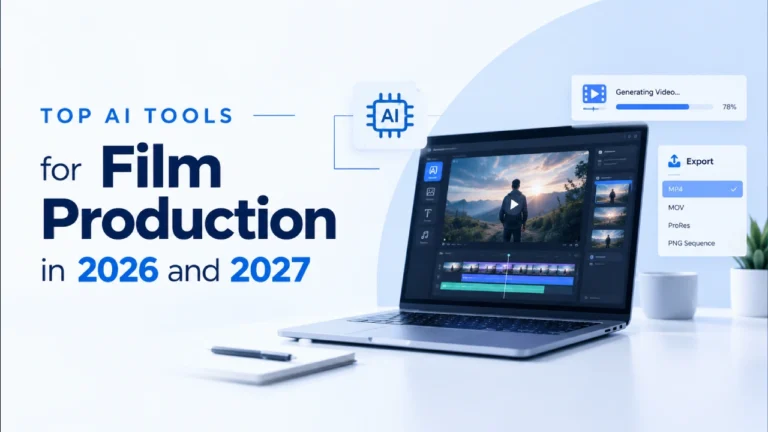
AI Video Workflow: The modern production pipeline often follows this structure:
- Script: ChatGPT for initial drafts and variations
- Visuals: AI video tools for specific sequences or backgrounds
- Voiceover: ElevenLabs for multilingual narration options
- Editing: Flow and other AI-enhanced editing platforms for rapid cuts and variations
At Cybertize Media, we recently helped a solar energy brand generate 8 ad video variants in under 5 days, cutting production time by 80% while tripling ad performance metrics.
The Creative-AI Balance
Here’s what many agencies get wrong: AI is most powerful when it enhances human creativity, not replaces it. The brands seeing success in 2026 understand this balance:
What AI Does Well:
- Generating multiple variations for A/B testing
- Creating localized versions across languages and regions
- Producing data-driven insights on which creative elements perform best
- Automating time-consuming editing tasks like color correction and sound mixing
What Humans Still Own:
- Strategic direction and brand voice
- Cultural authenticity and emotional resonance
- Quality control and creative judgment
- Ethical considerations and brand safety
Performance Marketing Integration
AI advertising platforms now manage bidding, targeting, and creative optimization more efficiently than manual teams. Meta Ads and Google Ads leverage AI to identify top-performing creative combinations automatically, with brands adopting AI-driven media buying seeing up to 40% lower cost-per-lead and higher engagement rates.
Predictive analytics help brands plan budgets and content strategies based on probability rather than guesswork, analyzing millions of data points to predict which messages, visuals, and offers will work best for specific audience segments.
4. Social Commerce Integration: The Disappearing Line Between Content and Conversion
Social platforms have evolved from discovery tools into full-funnel commerce ecosystems. By 2026, Indian consumers complete purchases without leaving their preferred apps, fundamentally changing how ad films need to function.
The Shoppable Video Phenomenon
Instagram Shops, YouTube Shopping, and emerging platforms like Meesho and Flipkart Creator Studio are providing integrated catalogs, live commerce events, and influencer-led product launches with frictionless payment systems.
Influencer-led video commerce is showing 20-30% higher conversion rates compared to static catalog marketing. The growth of D2C brands, coupled with declining trust in conventional celebrity advertising, is pushing marketers to explore micro-influencers and community-driven endorsements.
Production Strategies for Social Commerce
Immediate Action Integration: Ad films are being designed with embedded product tags, instant checkout links, and clear call-to-actions that facilitate immediate purchase decisions. The traditional awareness-to-consideration-to-purchase funnel is being compressed into single-video experiences.
Affiliate Marketing 2.0: Instead of traditional text links, creators now drop personalized Reels or Shorts with embedded product tags. AI attribution models identify which influencer or video drove the sale, even if conversion happens days later on a different device.
Trust Through Authenticity: User-generated content and customer testimonials are being integrated into professional productions. Brands recognize that customers and micro-influencers talking about products often outperform high-budget celebrity shoots.
The Live Commerce Boom
Live video shopping is connecting creators with buyers in real-time, creating urgency and community simultaneously. Production houses are developing new skillsets around live production, interactive content, and real-time engagement strategies.
5. Sustainability Storytelling: From Greenwashing to Genuine Commitment
Indian consumers—particularly Gen Z—are increasingly demanding proof of genuine sustainability commitments rather than performative greenwashing. This is fundamentally changing what brands communicate and how production houses approach commercial filmmaking.
The Authenticity Imperative
In 2026, sustainability has become critical for brand differentiation, regulatory compliance, and long-term viability. Marketing plays a crucial role in promoting sustainable development goals by raising awareness, aligning business practices, driving innovation, and influencing consumer behavior.
What This Means for Ad Film Production
Demonstrable Action Over Claims: Modern sustainability advertising focuses on showing tangible initiatives rather than making broad environmental claims. Successful campaigns showcase:
- Specific waste reduction metrics with visual proof
- Transparent supply chain practices with behind-the-scenes footage
- Community impact stories featuring real beneficiaries
- Partnership with verified environmental organizations
Production Practices Matter: Brands are increasingly asking production houses about their own sustainability practices. At Cybertize Media, we’ve implemented:
- Digital-first workflows reducing physical materials
- Energy-efficient lighting and equipment
- Location choices that minimize travel carbon footprints
- Digital sets and virtual production reducing construction waste
The Transparency Trend: Rather than hiding the production process, brands are showcasing sustainable production practices as content itself, creating meta-narratives about how the commercial was made sustainably.
Strategic Positioning
Sustainability content isn’t relegated to CSR corners—it’s becoming central to brand positioning. Companies using sustainability as a competitive differentiator are incorporating it throughout their advertising narrative, not just in dedicated campaigns.
The most effective approaches balance environmental responsibility with business outcomes, demonstrating that sustainable practices aren’t sacrifices but strategic advantages.
The Cybertize Media Approach: Navigating 2026’s Advertising Landscape
At Cybertize Media Productions Private Limited, we’ve positioned ourselves at the intersection of these five trends, developing production capabilities that serve brands navigating this complex ecosystem.
Our 2026 Production Framework
1. Multi-Format Strategy: We begin every project by mapping content across formats—creating vertical-first assets for social platforms while maintaining horizontal versions for connected TV and traditional media when needed.
2. Regional Content Labs: We’ve built partnerships with regional creative talent across key Indian languages, ensuring authentic localization rather than simple translation.
3. AI-Enhanced Creativity: Our production pipeline integrates AI tools strategically, accelerating production timelines while maintaining the human creativity and cultural understanding that makes advertising effective.
4. Commerce-Ready Content: We design ad films with conversion pathways built in, whether through shoppable video formats, clear CTAs, or affiliate integration points.
5. Sustainable Production Standards: We’ve implemented measurable sustainability practices across our production process and help clients communicate their environmental commitments authentically.
Looking Ahead: What Brands Need to Understand
The advertising landscape of 2026 rewards brands that understand these fundamental truths:
Speed and Relevance Trump Perfection: In a vertical-first, short-form world, the ability to produce relevant content quickly often matters more than months of polishing. Brands that can move fast while maintaining quality standards will dominate attention.
Regional is the New Premium: The most valuable audiences in India are increasingly regional language speakers in Tier 2 and Tier 3 cities. Brands that invest in authentic regional content will capture market share their English-first competitors miss.
AI is Infrastructure, Not Strategy: While AI accelerates production and optimization, it cannot replace strategic thinking, cultural understanding, or authentic creativity. The winning approach combines technological efficiency with human insight.
Commerce and Content Are One: The separation between brand advertising and performance marketing is disappearing. Every piece of content should be designed with conversion pathways in mind, whether immediate purchase or long-term brand building.
Authenticity Isn’t Optional: Whether in sustainability claims, influencer partnerships, or brand messaging, Indian consumers in 2026 can detect and reject inauthentic communication instantly. Genuine commitment backed by demonstrable action is the new creative standard.
Your Next Steps
The advertising trends reshaping India in 2026 represent both challenges and extraordinary opportunities. Brands that adapt will connect with audiences more effectively than ever before. Those that cling to traditional approaches will find themselves speaking to an audience that’s already moved on.
At Cybertize Media Productions Private Limited, we help brands navigate this transformation with:
- Strategic consultation on format and platform strategy
- Regional content development across India’s linguistic landscape
- AI-enhanced production pipelines that maintain creative excellence
- Commerce-integrated video content designed for conversion
- Sustainable production practices that align with modern brand values
Whether you’re looking to launch your first short-form video campaign, develop authentic regional content, or completely reimagine your advertising approach for 2026’s market realities, we bring the expertise, technology, and creative vision to make it happen.
The advertising revolution is happening now. The question isn’t whether to adapt—it’s whether you’ll lead the change or chase it.
Ready to create advertising that connects with India’s evolving audiences? Contact Cybertize Media Productions Private Limited to discuss how we can help your brand thrive in 2026’s transformed advertising landscape.
About Cybertize Media Productions Private Limited
Cybertize Media Productions Private Limited is a leading ad film production house serving brands across India’s rapidly evolving advertising landscape. With expertise spanning traditional commercial production, short-form video creation, regional content development, and AI-enhanced production workflows, we help brands connect with audiences in meaningful, measurable ways.
Our production capabilities include:
- Commercial Film Production (TV, Digital, Cinema)
- Short-Form Video Content (Reels, Shorts, Stories)
- Regional Language Content Development
- Corporate Films and Brand Stories
- Product Photography and Videography
- Animation and Motion Graphics
- Live Commerce Production
- Sustainable Production Consulting
Contact us to discuss how Cybertize Media Productions can bring your brand’s story to life in India’s 2026 advertising ecosystem.