
Table of Contents
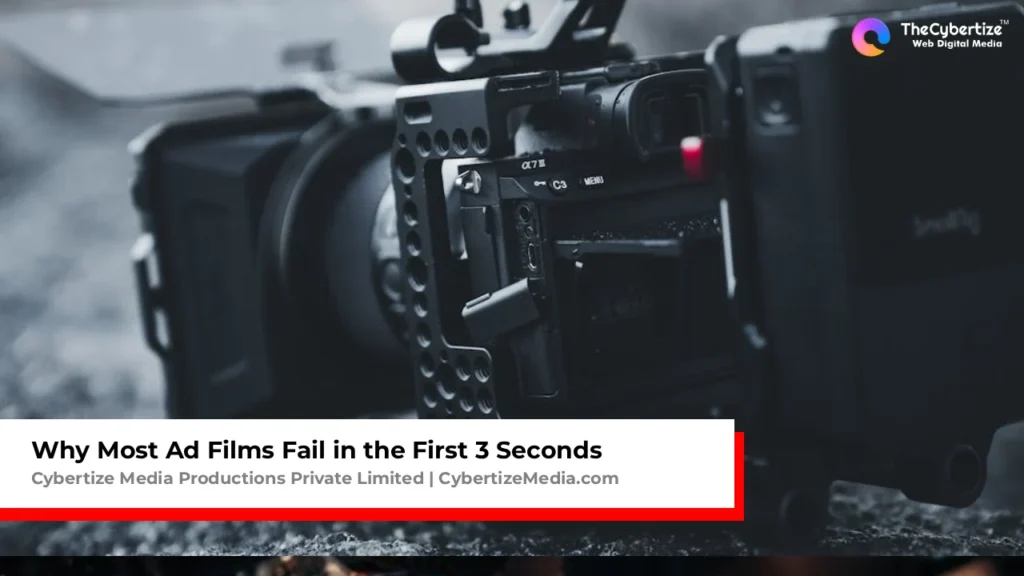
Why Most Ad Films Fail in the First 3 Seconds: You’ve seen it happen. A brand spends lakhs — sometimes crores — on an ad film. The shoot looks stunning. The edit feels clean. The color grade is gorgeous. And then… nothing. The ad runs for two weeks, vanishes quietly, and nobody talks about it. Sales don’t move. The brand scratches its head.
The problem almost never starts in the edit suite. It doesn’t start on the shoot day either. It starts much, much earlier — in the fundamental misunderstanding of what an ad film is actually supposed to do.
This piece breaks down the five production decisions that separate an ad film that sells from one that simply exists.
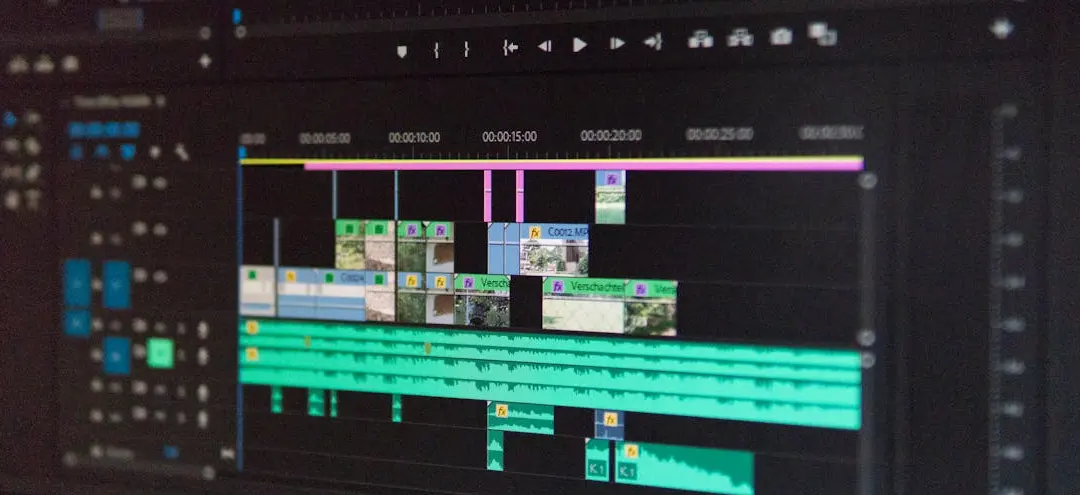
1. The First 3 Seconds Are Not an Introduction — They’re a Verdict | Why Most Ad Films Fail in the First 3 Seconds
In 2024, the average viewer decides whether to keep watching or scroll away within the first two to three seconds. Not five. Not ten. Three.
Most brands treat the opening of an ad like the cover of a brochure — logo, product shot, brand color palette. Clean. Branded. And completely skippable.
The opening frame of your ad is not the place to establish your identity. It’s the place to earn the right to be watched. That means leading with something that triggers an emotion before it communicates a message. A face caught in a raw, genuine moment. A sound design choice that feels unexpected. A visual contrast that forces the brain to pause and process.
Top Cybertize Offerings
Our comprehensive Media & Tech Services in India offerings include:
| Service Category | Specific Services |
|---|---|
| Film Production | Film, Web Series, Short films, Cinematic Films, IG Reels, Ad Films |
| Animation Production | 2D animation, 3D animation, Walkthrough, Medical Animation, Explainer Videos |
| Software Development | CMS (Content Management Softwares), On Demand Software, Edtech, SaaS Portals, ERPs, Cloud Infra, AWS, Azure |
| SEO & Content Marketing | Blog writing, video production, infographics, email marketing, white papers, case studies, On Page SEO, Link Building |
| Web Development | Website design, responsive development, e-commerce, CMS implementation, site optimization |
| AI / ML | Artificial Intelligence / Machine Learning |
Think about the ads you actually remember. Almost none of them opened with a product shot. They opened with a feeling.
The discipline of crafting a great hook is arguably the single most valuable thing a production company brings to the table. It requires understanding human psychology, not just cinematography. When we work on a brief, the first question we ask is not “what does the brand want to say?” but “what does the viewer need to feel in the first three seconds to stay?”
2. Story Always Beats Specification
Why Most Ad Films Fail in the First 3 Seconds: Here is a truth that marketing teams know intellectually but often abandon under pressure from stakeholders: people do not buy products. They buy better versions of themselves.
When an ad film opens with a list of features — fastest charging, three camera lenses, five-year warranty — it’s speaking to the rational mind. But purchase decisions, especially in competitive markets, are almost never rational. They are emotional, then rationalized afterward.
The brands that consistently produce memorable ad films lead with a story. Not a complicated one. Just a simple, human narrative that places the viewer inside a feeling they recognize.
A motorcycle brand doesn’t sell engine specs. It sells the feeling of freedom on an open road at sunrise. A kitchen appliance brand doesn’t sell wattage. It sells the warmth of a Sunday morning when the whole family is home. The product is the vehicle. The story is the destination.
This is where the brief matters enormously. A good production company doesn’t just take a brief and execute it — it interrogates the brief until the emotional core of the brand becomes visible. Only then does the scripting begin.
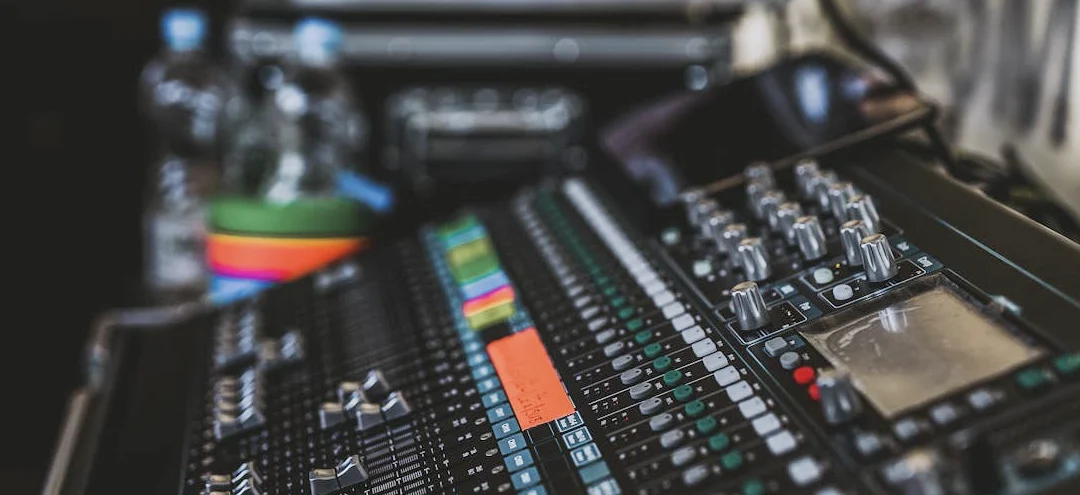
3. Sound Design Does 70% of the Emotional Work (And Is 100% Overlooked)
Why Most Ad Films Fail in the First 3 Seconds: If you mute a great ad film, it still looks good. But if you watch a great ad film with your eyes closed, you’ll often feel everything.
Sound design is the most consistently underestimated element in advertising production. Most clients — and even many directors — treat audio as something you deal with in post. The music gets picked from a stock library two days before delivery. The sound effects are generic. The mix is serviceable.
The result is an ad that looks premium and sounds ordinary. And the brain, which processes emotion primarily through auditory cues, registers the disconnect.
Consider the way a car door closing in a luxury car ad sounds different from the same action in a budget car ad. That is not accidental. That sound has been crafted, layered, and mixed to convey solidity, precision, and cost — before a single word of copy has been spoken.
Great sound design requires planning from pre-production, not post. It means knowing during the shoot which ambient sounds you want to keep, which you’ll replace, and how the music will interact with the visuals in terms of tempo, key, and emotional arc.
When we take on a project, the sound brief is developed alongside the visual brief. Not after.
4. Authenticity in Casting Outperforms Perfection Every Time
There is a certain type of ad film that everyone can identify immediately: the aspirational casting trap. Every face is symmetrical. Every smile is rehearsed. Every emotion is performed at a level 8 out of 10 — intense enough to feel passionate, controlled enough to feel polished. And completely impossible to believe.
Viewers have developed sophisticated detectors for inauthenticity. They can spot a performed emotion in under a second. And the moment they sense it, the emotional contract between the ad and the audience breaks.
This doesn’t mean you should never cast professional actors. It means you should cast the right people for the right brief. A campaign selling to first-generation entrepreneurs might land harder with a founder who’s never been on camera than with a trained model who’s been in fifty ads. A campaign aimed at young mothers might resonate more with real families in real homes than with a styled set dressed to look like one.
The casting conversation should always begin with the question: “What does the face of this brand actually look like?” Not aesthetically, but emotionally. Who does the viewer need to see to believe this message?
The best casting decision we’ve ever made on a project was choosing someone the client initially thought was “too ordinary.” The ad performed three times above benchmark. Ordinary, it turns out, is what people recognize. And recognition is the first step to trust.
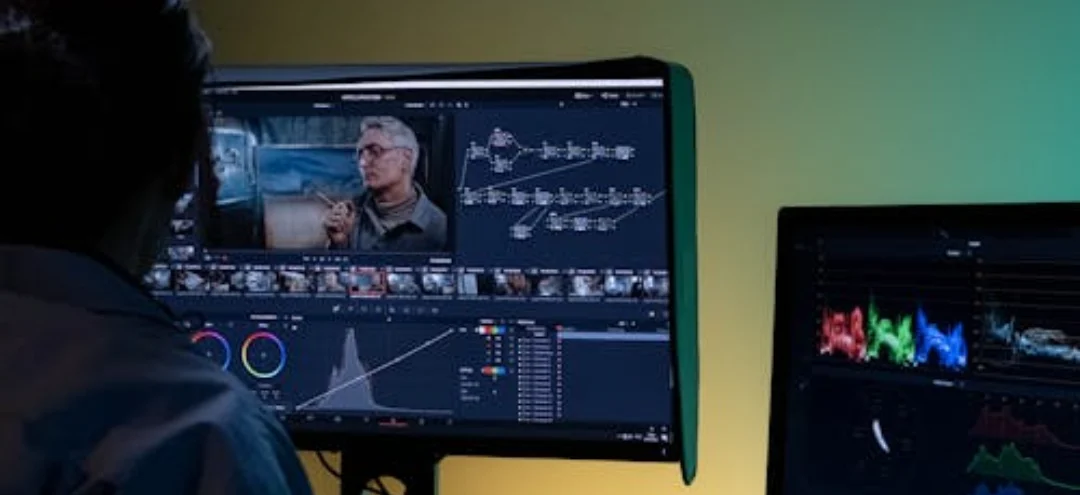
5. The Real Ad Is Made in the Edit Room
You can shoot a mediocre ad beautifully and cut it into something powerful. You can also shoot something brilliant and edit it into something forgettable. The edit is where all the decisions you made before finally reveal their consequences — and where skilled editors make new decisions that no one planned for.
Pacing is the single most misunderstood element of editing in advertising. Most clients equate fast cuts with energy and slow cuts with boredom. But pacing is not about speed. It’s about rhythm. A three-second hold on a face at the right moment carries more emotional weight than eight rapid cuts of B-roll. The best editors know when to breathe and when to accelerate.
Why Most Ad Films Fail in the First 3 Seconds: Color grading is the second element that separates an ad that feels expensive from one that doesn’t. Color is not just an aesthetic choice — it communicates brand personality at a subliminal level. Warm, desaturated tones suggest intimacy and nostalgia. Cool, high-contrast grades suggest precision and modernity. Muted earth tones suggest authenticity. Every frame is making a brand promise, whether you intend it to or not.
Finally, the relationship between the rough cut and the final cut should feel like two different ads. Not because the raw material changed, but because the story was discovered in the editing. If your rough cut and your final cut feel essentially the same, you have not edited — you have arranged.
Why Most Ad Films Fail in the First 3 Seconds: So What Does This Mean for Your Next Ad Film?
Every brand that comes to us wants an ad that works — one that people remember, one that makes them feel something, one that moves product or builds equity. None of them want to spend money on something forgettable.
The gap between a forgettable ad and a great one is rarely budget. It’s almost always decision-making: the quality of the brief, the honesty of the casting conversation, the attention paid to sound, the willingness to trust a story over a product list, and the craft brought to the edit.
That’s what we do — not just make beautiful images, but make decisions that serve your brand’s real goals.