
Table of Contents
Storytelling Techniques for Brand Films: The Complete Guide to Creating Films That Actually Connect
In today’s content-heavy world, brands don’t win with visibility alone—they win with connection. And connection comes from storytelling.
A brand film isn’t about showcasing services. It’s about creating a narrative your audience sees themselves in. The difference between a forgettable video and a powerful brand film lies in one thing: how well the story is told.
This guide breaks down the exact storytelling techniques used in high-performing brand films—and how to apply them.
Why Storytelling Matters in Brand Films
Storytelling Techniques for Brand Films: People don’t remember specs.
They don’t remember features.
They remember feelings.
Storytelling transforms:
- Products → Experiences
- Brands → Personalities
- Viewers → Believers
If your film doesn’t make the audience feel something, it won’t convert.
1. Start With Emotion, Not Messaging
Before writing a script, define:
What should the audience feel?
Everything—visuals, music, pacing—should align with that emotion.
Common emotional directions:
- Inspiration (Nike-style films)
- Trust (corporate brands)
- Aspiration (luxury brands)
- Urgency (sales-driven ads)
2. Follow a Proven Narrative Structure
Every strong brand film follows a simple arc:
Problem → Journey → Resolution
- Problem: Identify a relatable pain point
- Journey: Show effort, struggle, or process
- Resolution: Deliver transformation
This structure keeps viewers engaged and emotionally invested.
3. Make the Customer the Hero
Stop making your brand the center of attention.
Instead:
- Customer = Hero
- Brand = Guide
When viewers see themselves in the story, they connect instantly.
4. Show, Don’t Tell
Avoid generic claims like:
- “We are innovative”
- “We deliver quality”
Instead, show:
- Process
- Craft
- Real outcomes
Visual proof builds credibility far better than words.
5. Use Visual Metaphors
Storytelling Techniques for Brand Films: Metaphors elevate storytelling beyond literal messaging.
Examples:
- Sunrise → new beginnings
- Climbing → growth
- Broken object → problem
They make your film more memorable and emotionally rich.
6. Hook the Viewer in 3 Seconds
Attention spans are brutally short.
Your opening should:
- Raise curiosity
- Present a problem
- Show a striking visual
If the first 3–5 seconds fail, the rest doesn’t matter.
7. Master Pacing & Rhythm
Storytelling isn’t just what you show—it’s how fast you show it.
- Slow pacing → emotional depth
- Fast cuts → energy and urgency
Great films control rhythm like music.
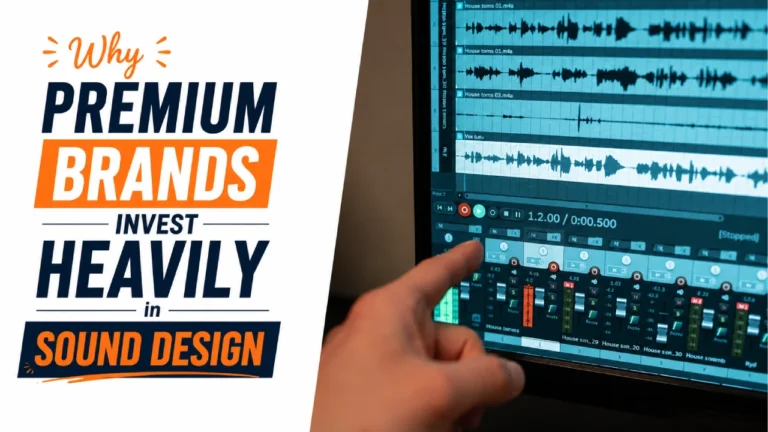
8. Sound Design is a Hidden Superpower
Sound is often underestimated—but it drives emotion.
- Music sets tone
- Ambient sound adds realism
- Silence creates tension
A well-designed audio layer can double the impact of your visuals.
9. Keep It Real (Authenticity Wins)
Audiences today reject anything that feels staged.
Use:
- Real stories
- Natural performances
- Genuine environments
Authenticity builds trust—and trust drives conversions.
10. End With Impact, Not Just Branding
Don’t just flash your logo.
Leave the audience with:
- A feeling
- A thought
- A takeaway
The brand recall should come from emotion—not repetition.
Real Brand Film Examples (Breakdown)
1. Nike – “You Can’t Stop Us”
Technique Used: Emotional storytelling + visual metaphor
- Split-screen visuals showing unity and resilience
- Strong emotional hook
- No direct selling—pure storytelling
Takeaway: Emotion > product focus
2. Apple – “The Underdogs”
Technique Used: Character-driven storytelling
- Relatable office scenario
- Humor + struggle + resolution
- Product shown naturally within story
Takeaway: Story first, product second
3. Google – “Reunion”
Technique Used: Human connection + nostalgia
- Based on real-life partition story
- Emotional narrative arc
- Brand acts as an enabler
Takeaway: Real stories create deep impact
4. Tata Tea – “Jaago Re”
Technique Used: Social storytelling | Storytelling Techniques for Brand Films
- Strong problem-driven narrative
- Emotional + thought-provoking
- Clear message without hard selling
Takeaway: Purpose-driven stories build stronger brands
Brand Film Script Template (Reusable) | Storytelling Techniques for Brand Films
Use this structure for your next production:
1. Hook (0–5 sec)
- Visual or dialogue that grabs attention
- Introduce emotion or conflict
2. Problem (5–20 sec)
- Show the challenge
- Make it relatable
3. Journey (20–45 sec)
- Show effort, struggle, or process
- Build emotional engagement
4. Resolution (45–60 sec)
- Show transformation
- Introduce brand as enabler
5. Closing (Last 5–10 sec)
- Emotional payoff
- Brand reveal + message