
Table of Contents
Product Shot Angles: Most D2C Films Are Visually Honest But Commercially Useless
Here is a problem that shows up in D2C ad film production more often than anyone admits.
The product looks exactly like itself. The lighting is clean. The background is on-brand. The shoot was done by competent people. And the film does absolutely nothing for the brand.
Product Shot Angles: Why? Because showing a product accurately and showing it compellingly are two completely different jobs. A product shot that tells a consumer exactly what the item looks like may do nothing for the desire to own it. A product shot built with the right angle, the right light, and the right framing tells the consumer something about how the product will make them feel, not just what it physically is.
In a D2C brand’s ad film, the product is not just the subject. It is the actor. And like any good actor, the product needs to be directed. The camera angle is the director’s most immediate and powerful tool for shaping what the audience feels when they see what you are selling.
This guide walks through fifteen product shot angles that every D2C ad film needs in its visual toolkit. Not all fifteen will appear in every film. But knowing all fifteen, understanding what each one communicates and when to use it, is what separates a product film that looks like a product film from one that actually moves product.
Why Shot Angles Matter More Than Most D2C Brands Think
Before the fifteen angles, one piece of context that makes everything else make sense.
The way you position the camera relative to a product changes how the brain perceives that product. This is not a creative opinion. It is a well-documented perceptual phenomenon.
A product shot from a low angle makes the product look larger, more authoritative, and more aspirational. The same product shot from above looks smaller, more accessible, and more everyday. Neither angle is wrong. They are saying different things about the product, and the choice of angle should reflect what the brand needs the viewer to feel.
Product Shot Angles: The low angle has been called the “hero shot” because it makes the product look powerful and heroic. By shooting from slightly below, this angle gives the viewer a perspective that makes the product appear taller and more impressive, creating a sense of importance and authority.
In a D2C ad film specifically, this matters more than in any other format. A D2C brand is asking a viewer to make a purchase decision, often within seconds of seeing an ad. The shot angle is doing emotional work on behalf of the brand in every single frame. Every angle is a piece of creative direction, whether it was chosen intentionally or by default.
Product Shot Angles: Most D2C product films are shot with three or four angles at most. The brands that stand out are typically working with eight to twelve distinct visual perspectives. The extra angles are not filler. They are the difference between a film that feels rich and one that feels like a product catalogue reading itself aloud.
1. The Low-Angle Hero Shot (Most important among the product shot angles)
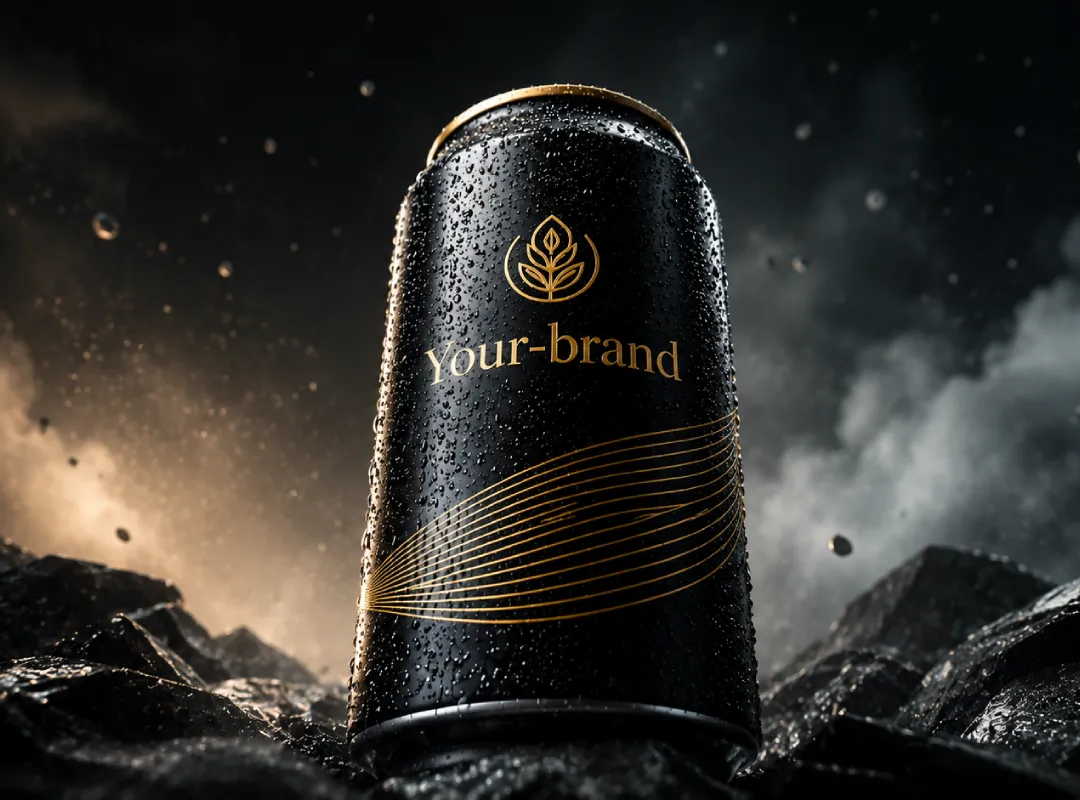
This is where almost every product’s filmmaking journey should begin. The camera is positioned below the midline of the product and points upward, making the product tower slightly in the frame.
Product Shot Angles: Low-angle hero shots are often used in product photography to present products as grand and premium. This angle conveys a sense of power and authority, and a well-executed low-angle hero shot contributes to the overall perception of the brand as sophisticated, premium, and high-quality.
For a D2C skincare serum, this shot says: this is not just another product, this is the one. For a D2C sneaker brand, it says: these are worth wanting. The low-angle hero shot does not need to shout. The angle does the work quietly and effectively.
Also Read: Digital Ad vs TV Commercial, What’s Actually Different and Why It Matters in 2026
Lighting recommendation: Hard light from a 45-degree angle to one side. You want defined shadows that give the product dimension and weight. Soft fill on the opposite side to retain detail. Never flat light the hero shot.
Platform use: Primary campaign asset. Homepage hero. Paid ads. The opening frame of any D2C ad film.
Do not use it for: Products that are delicate, gentle, or intimate by nature. A low-angle hero shot of a baby skincare product might feel aggressive. Match the angle to the brand personality.
2. The Eye-Level Straight-On Shot
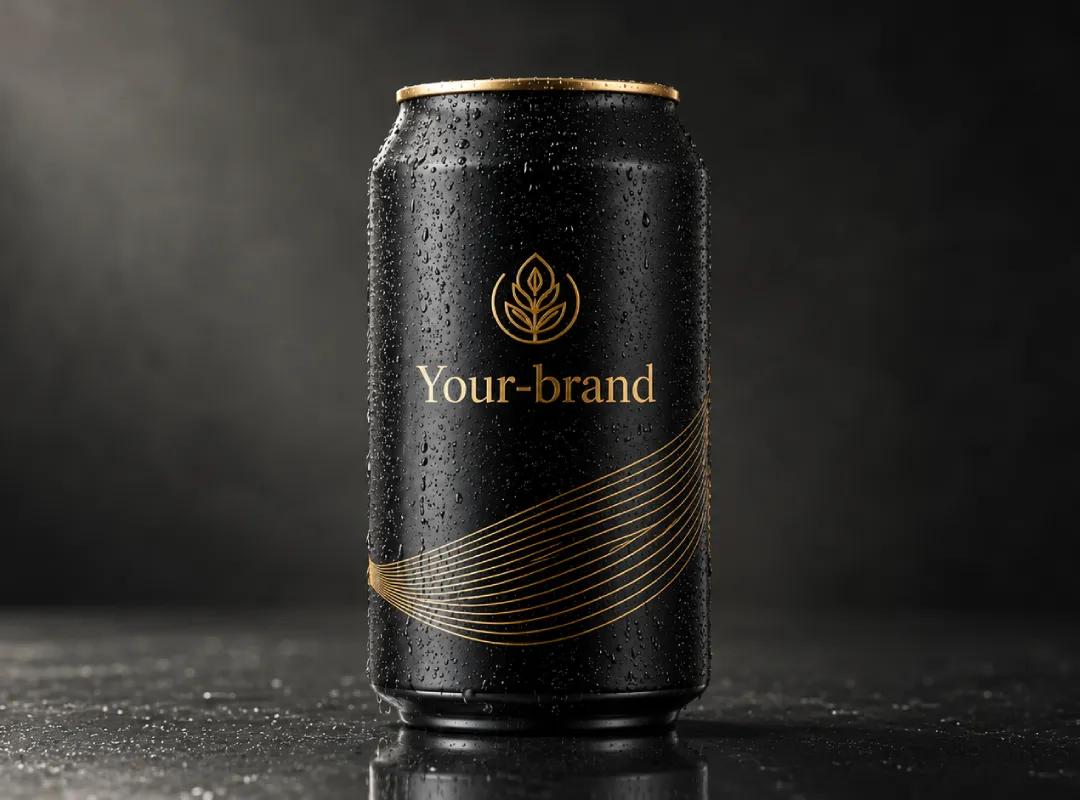
The camera is placed at the exact same height as the product’s midpoint and shoots directly forward. No tilt. No angle. Pure frontal symmetry.
The straight-on shot is all about clarity and trust. It shows your product exactly as it appears in real life, and is perfect for online stores and packaging imagery. Use consistent lighting across a collection for visual harmony.
This shot says: here is the product, exactly as you will receive it. Nothing hidden. No flattery. This builds consumer trust in a way that more dramatic angles cannot.
Product Shot Angles: For D2C brands competing in crowded categories where consumer skepticism is high, the eye-level shot is critical for credibility. Skincare, supplements, food products, and electronics all benefit from having this shot in their film, because it anchors the more emotional shots in reality.
Lighting recommendation: Soft, even lighting with minimal shadow. A large softbox to one side and a reflector to the other. The goal is flatness that reads as honesty, not flatness that reads as laziness.
Platform use: Product detail pages. Mid-film credibility anchors. Side-by-side comparison shots.
3. The Three-Quarter Angle (45-Degree Turn)
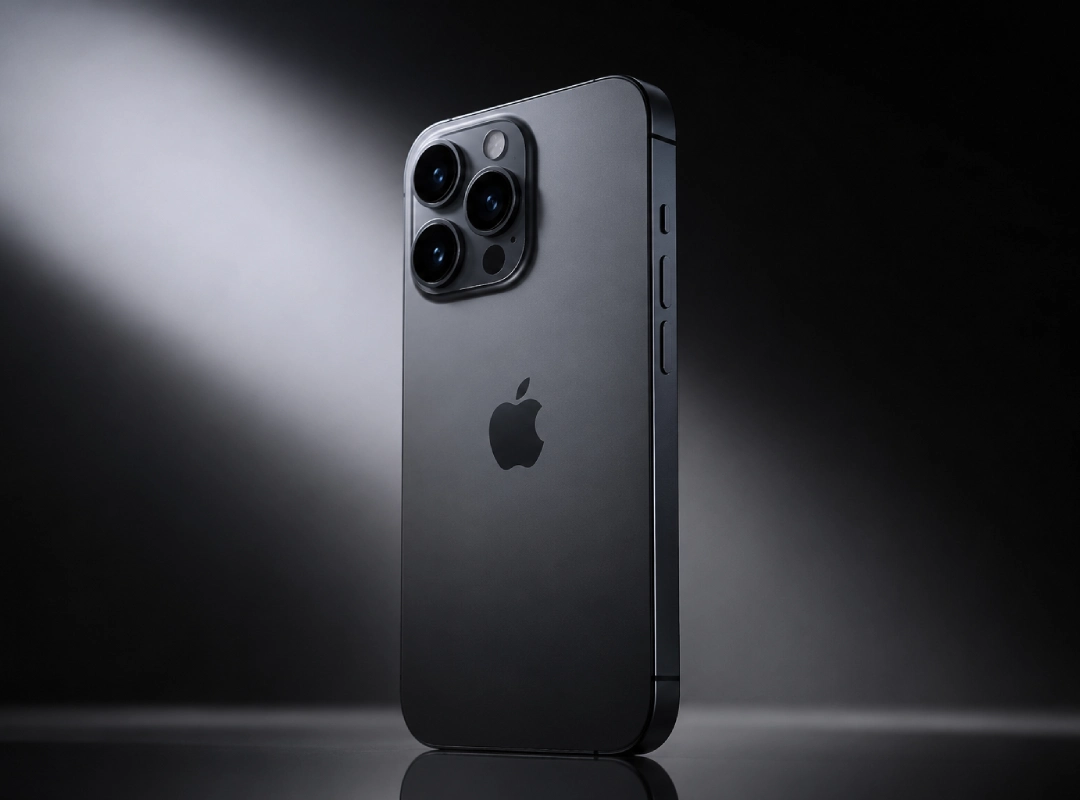
The product is turned approximately 45 degrees from the camera, showing both the front and one side. The camera is at or slightly above eye level.
The three-quarter angle mimics how we naturally perceive objects on a table. It is versatile, dimensional, and perfect for lifestyle or contextual shots. Combining props and layered lighting creates a sense of space, and it is great for product families, packaging displays, and scenes that tell a story.
Product Shot Angles: This is the workhorse of product shot design. It gives the product a three-dimensional quality that straight-on shots cannot deliver, because the viewer can see depth, can read the product as an object in space rather than a flat image. For D2C brands with beautiful packaging, this is the angle that makes the packaging look like an object worth having on the shelf.
Lighting recommendation: Light from the front side, with a gentle falloff toward the back. The goal is gradual shadow that reveals the product’s three-dimensionality without creating harsh dark zones.
Platform use: Social media content. Unboxing sequences in films. Packaging hero shots. Multiple products grouped together.
4. The Flat Lay (Overhead / Top-Down Shot)
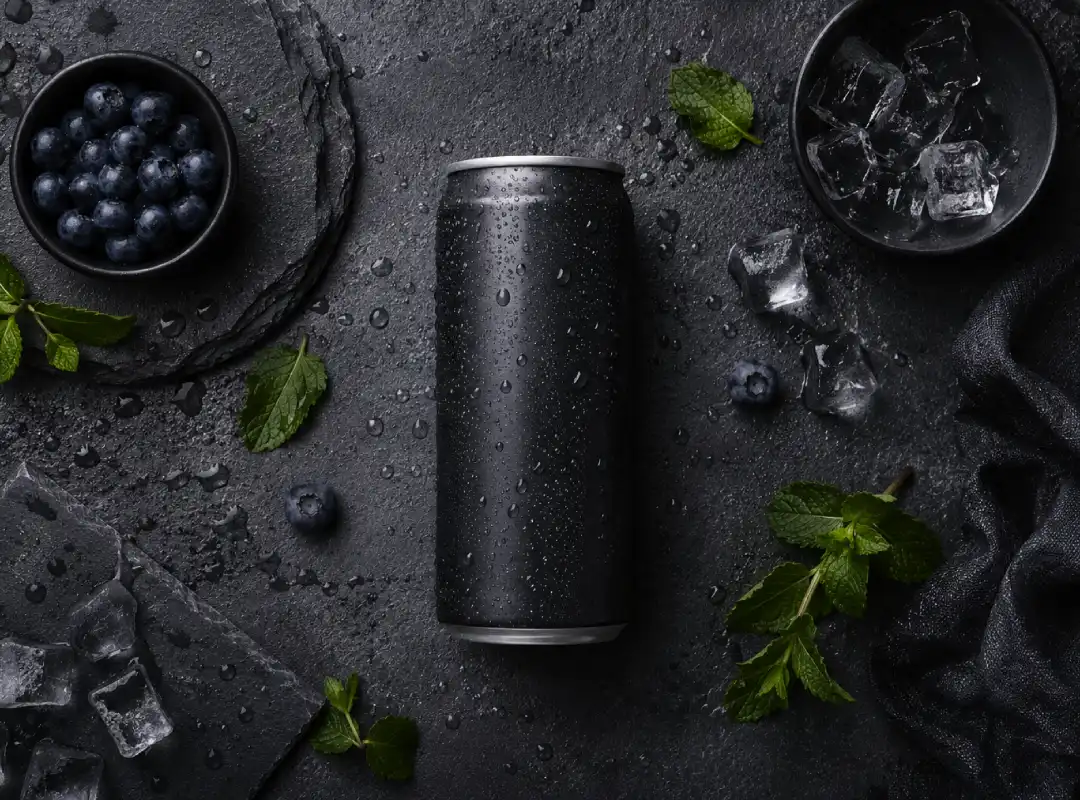
Product Shot Angles: Camera directly above the product, shooting straight down. The product sits flat on a surface and the frame captures the scene from above.
The overhead shot delivers lifestyle and composition. It bridges the gap between product clarity and contextual storytelling, showing how a product lives in a space or fits within an aesthetic world.
Flat lays became a D2C visual language on Instagram and have not gone anywhere. For food products, supplements, skincare sets, clothing accessories, and stationery brands, the flat lay is still one of the most effective ways to show a product in a context that feels aspirational without requiring a full set build.
The flat lay is also one of the most information-dense shots available. A well-composed flat lay can simultaneously show the product, its packaging, complementary items, and surface texture that communicates the brand’s aesthetic world.
Lighting recommendation: Diffused light from above and slightly to one side. Avoid direct overhead lighting which creates flat, shadow-free images that lack texture. A slight angle on the light source creates gentle shadows that give the scene depth.
Platform use: Instagram feed. Pinterest. Print advertising. Lifestyle editorial sections of D2C brand websites.
5. The Macro Detail Shot
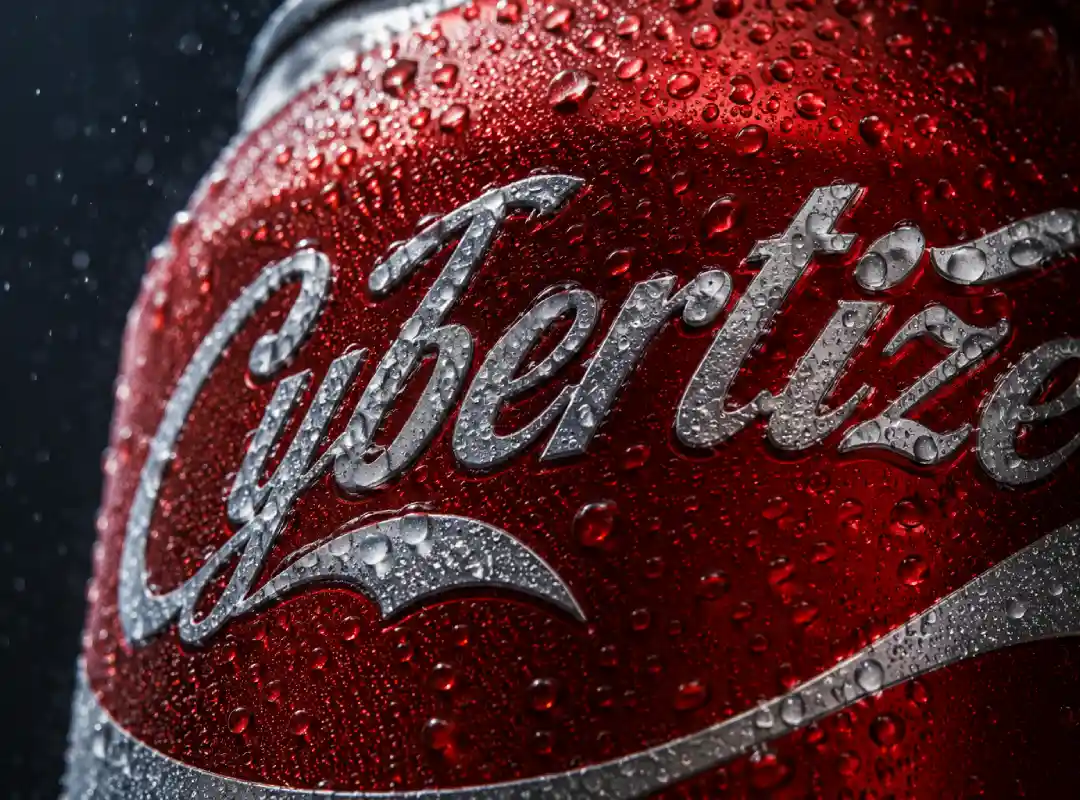
The camera moves in extremely close to a specific part of the product. Not the whole product, just one surface, texture, material, or feature.
The macro angle allows zooming in to show fine details and textures usually invisible to the naked eye. When paired with product photos from other angles that show the full product or setting, the macro shot enhances the story. Showing a wide shot of a whiskey bottle followed by a close-up of the embossing on the label conveys the sophistication and craftsmanship behind the product.
Product Shot Angles: For D2C brands where quality of materials is a key part of the value proposition, the macro shot is not optional. It is the proof. A D2C leather goods brand talking about handstitching needs the macro shot of that stitch. A skincare brand talking about micro-encapsulated ingredients needs the macro shot of the serum’s texture. A coffee brand talking about single-origin beans needs the macro shot of the grind.
Also Read: AI in VFX, Faster Turnarounds for Ad Films
The macro shot closes the gap between a brand’s claim and the viewer’s ability to believe it.
Lighting recommendation: Raking light from a very shallow angle to the surface. This grazing light technique reveals texture and surface detail that frontal light would flatten completely.
Platform use: Product detail films. Ingredient or material call-out moments in brand films. Social proof content. Testimonial-adjacent frames that support quality claims.
6. The Floating Product Shot
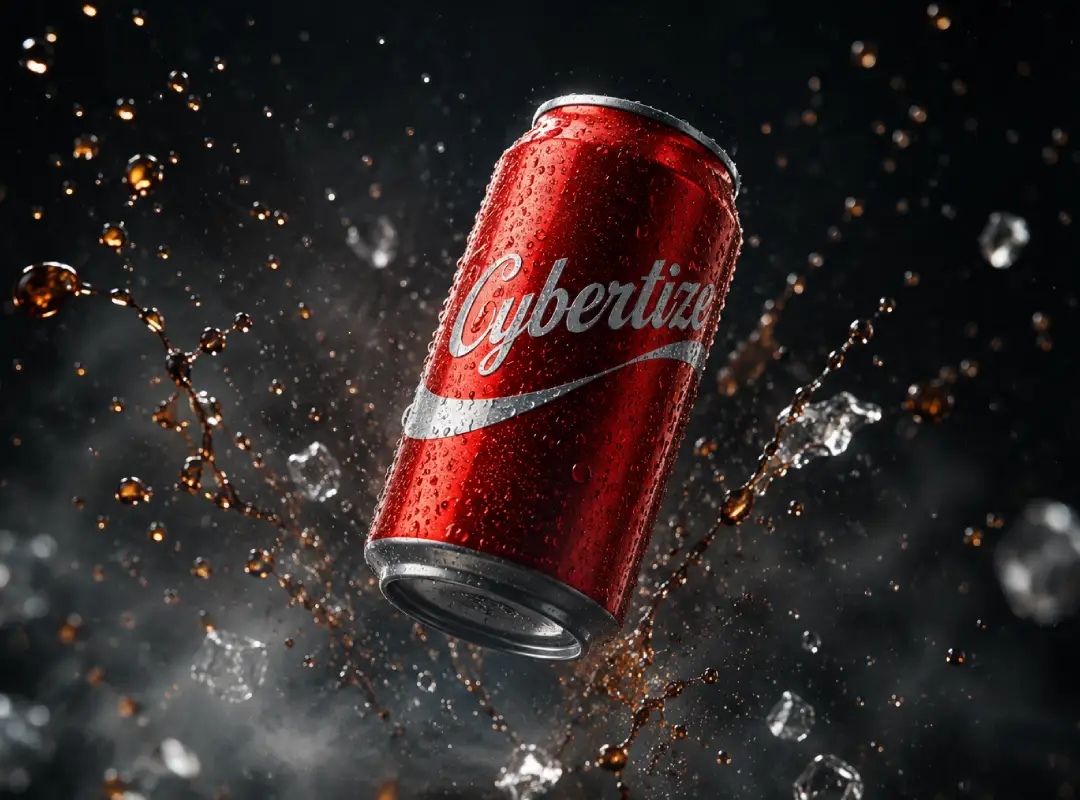
The product appears to float or be suspended in space, usually against a plain background. This is typically achieved with precise rigging, product suspension, or CGI, and in post-production.
Product Shot Angles: This shot says: the product is so significant it exists in its own dimension. It does not need a context or a surface. It simply is.
High-fashion, beauty, tech accessories, and premium FMCG brands use the floating shot constantly because it creates a sense of purity and focus that is impossible when the product sits on a surface. There is nothing competing with it, nothing contextualizing it, nothing to look at except the product itself.
Also Read: Prompt Engineering for Ad Film Concepts, A Creative Director’s Guide
Lighting recommendation: Light the product carefully from multiple directions to create an even, dimensioned look that prevents the floating subject from looking flat. Background must be lit separately from the product to ensure depth and tonal separation.
Platform use: Key visual for campaigns. Packaging and label design backgrounds. Digital advertising hero images. The establishing shot before a brand story unfolds.
7. The In-Use Contextual Shot
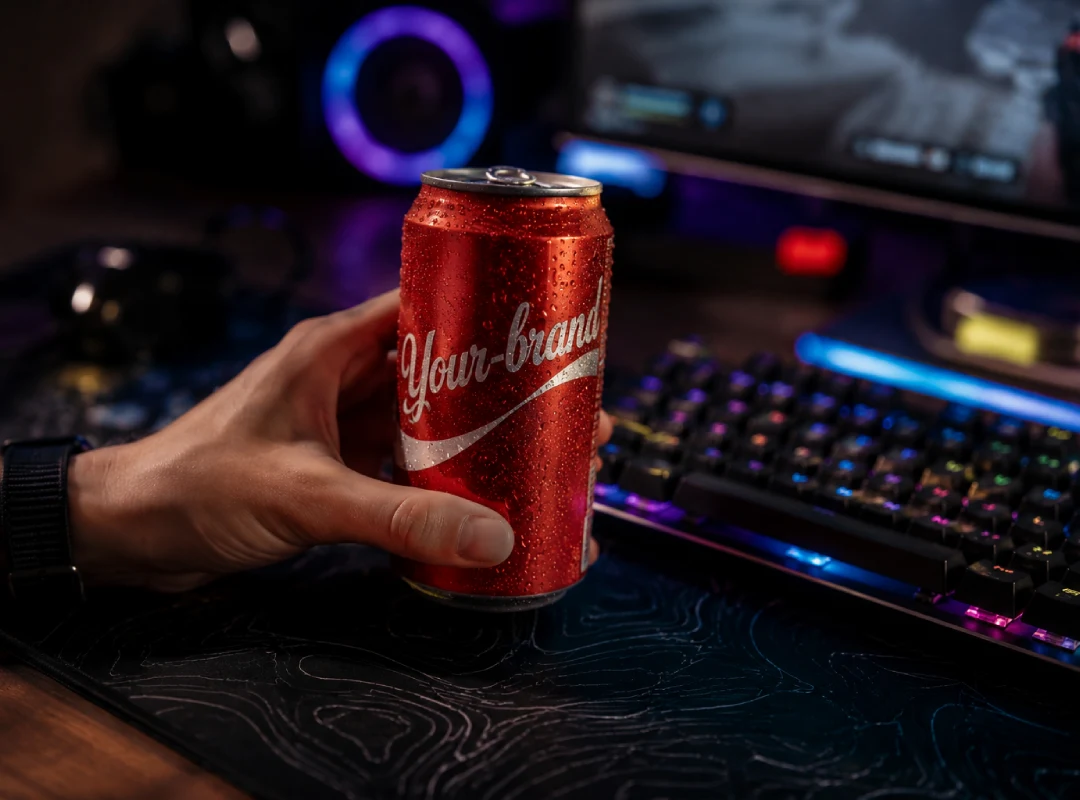
The product is shown in the context of actual use. A hand pouring the drink. A face applying the serum. A foot wearing the sneaker mid-stride.
Hero shots introduce context. By setting the scene, using props, or showcasing the product in real-life situations, you evoke emotions and make the product relatable to your target market. This emotional connection enhances the overall customer experience and increases the likelihood of conversion.
Product Shot Angles: The in-use shot is where product films become brand films. The moment a human hand enters the frame, the product’s purpose becomes real. The viewer stops seeing an object and starts seeing themselves using that object. That shift is where purchase intent begins.
For D2C brands, the in-use shot is often the most important creative decision in the film, because it defines the lifestyle context of the brand. Whose hand is it? What is the environment? What time of day? What emotional state does the person appear to be in? Every one of these choices communicates something about who the product is for and why it matters to them.
Lighting recommendation: Match the lighting to the environment being depicted. Morning skincare routine shots use warm, natural, window-adjacent light. Evening supplement or beverage shots use warmer, lower-key light. The light should feel like it belongs to the moment.
Platform use: Hero sequences in ad films. Instagram Reels and Stories. CTV pre-roll. Testimonial framing.
8. The Close-Up Pour or Reveal Shot

Motion-based product shot where the product is revealed by pouring, unboxing, opening, or some form of physical transformation. Typically shot in slow motion.
This is one of the most powerful shots in the D2C toolkit specifically because motion creates desire in a way static imagery cannot. The pour of a beverage in slow motion. The capsule splitting open to release powder. The perfume spray catching light. The cream dispensed onto a fingertip.
Product Shot Angles: These shots are essentially desire machines. They do not describe the product’s qualities. They demonstrate them sensory experience, and the viewer’s brain responds to that demonstration viscerally.
Lighting recommendation: Backlight or sidelight the pour or motion. Backlighting liquids and fine particles creates a translucent, luminous effect that makes beverages glow and textures appear beautiful. This is the lighting technique behind the golden beer pour, the gleaming honey drizzle, the lit perfume spray.
Platform use: Opening sequences of ad films. 6-second bumper ads where one motion shot is the entire content. ASMR-adjacent social content. Food and beverage product campaigns.
9. The Dutch Angle (Tilted Frame)
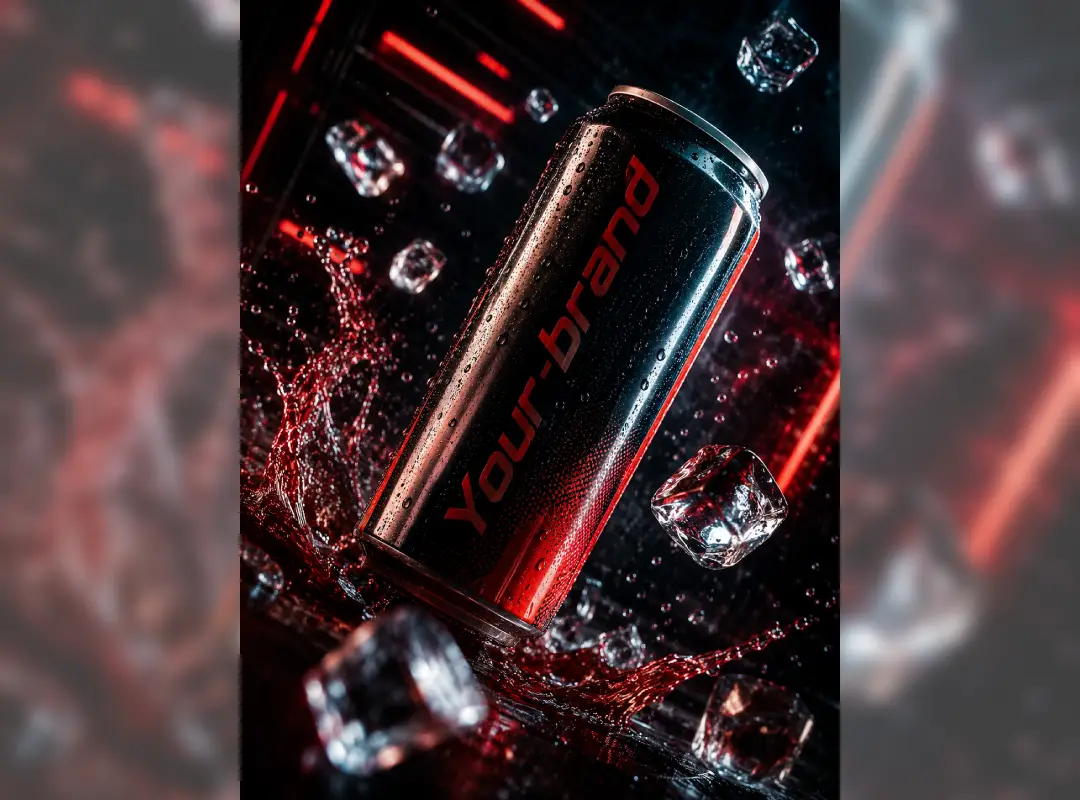
The camera is tilted 15 to 45 degrees off its horizontal axis while keeping the product centred or off-centre in the frame.
The Dutch angle is a photography technique in which the camera is intentionally tilted to create a sense of tension, unease, or disorientation. It infuses a sense of drama and excitement into an otherwise static product shot. In a crowded social media feed, a Dutch tilt can instantly make the image more visually dynamic and engaging.
Product Shot Angles: For D2C brands targeting younger demographics, the Dutch angle is a pattern-interrupt. It signals that the brand is not playing by conventional visual rules. In a feed full of perfectly level product shots, a tilted frame stops the scroll.
This shot is not for every brand or every product. A pharmaceutical D2C brand using a Dutch angle on their medication would send entirely the wrong signal. But for a D2C streetwear label, a youth-facing beverage brand, or a tech accessory brand with an attitude, the Dutch angle is a legitimate creative choice that earns its place.
Lighting recommendation: Keep the light clean and directional. The tilt creates drama through composition. You do not need dramatic lighting to compound the effect.
Platform use: Social media content. Youth-targeted paid ads. Campaign hero images for challenger brands.
10. The Top-Front Hybrid Shot
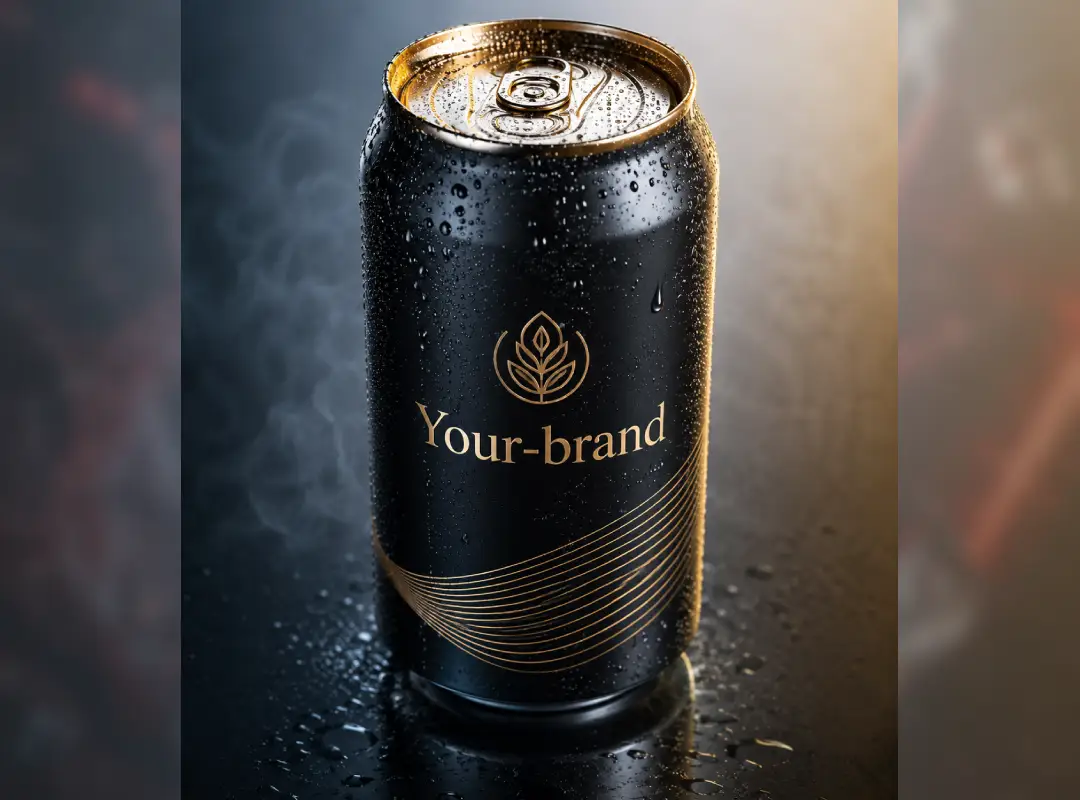
Camera positioned above the product’s midline and slightly in front, looking downward at approximately 20 to 30 degrees from horizontal. The shot reveals both the top and front face of the product simultaneously.
Product Shot Angles: The top-front hybrid is a practical yet elegant perspective that blends overhead clarity with front-facing realism. It accentuates edges and textures, emphasizes depth without distortion, and adds sophistication and energy to minimalist designs. It is ideal for tech accessories, home gadgets, and modern lifestyle products where form and material matter as much as function.
For D2C brands with products that have beautiful top surfaces or lid designs, this shot is often the one that shows the product most fully. The viewer sees the most important surfaces simultaneously, the design elements that make the product identifiable from above, and the front face that communicates the brand.
Lighting recommendation: Light from slightly above and to one side. The angle of the light should complement the camera angle to create a gradual shadow across the product’s surfaces that reveals dimensionality.
Platform use: Packaging photography. Product detail pages. Collection shots showing multiple products together. Brand lookbook imagery.
11. The Ground-Up Shot
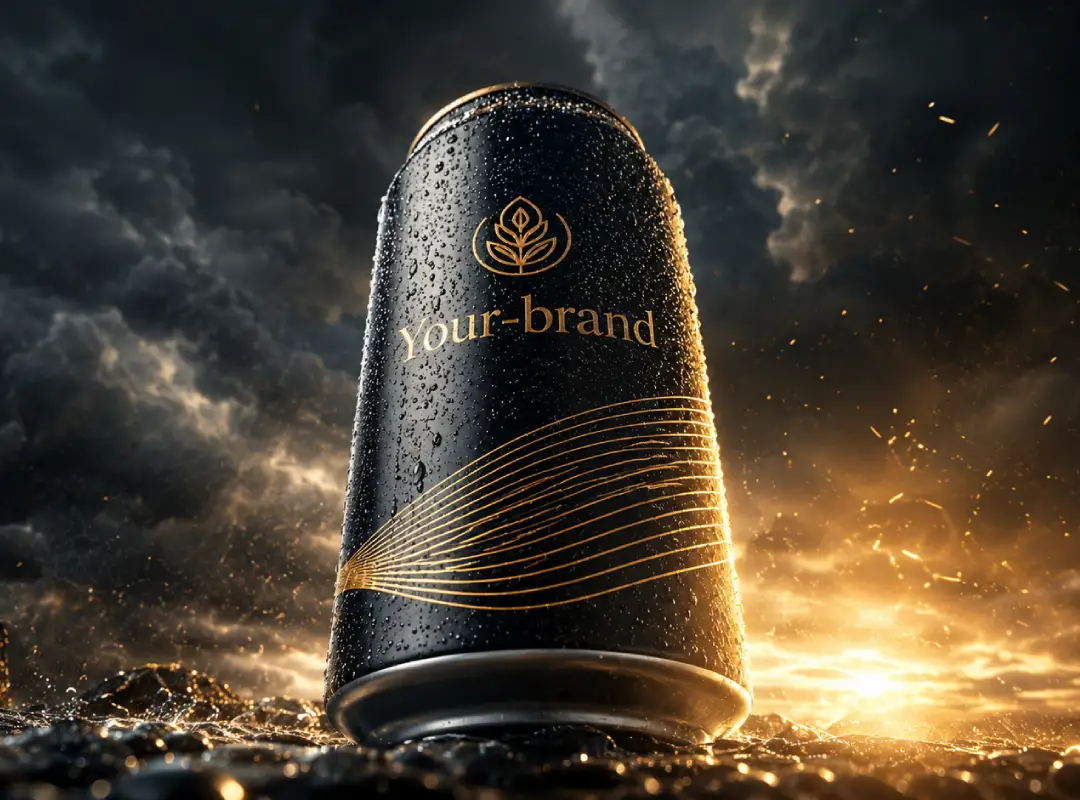
Camera placed at ground level or very close to the surface the product is resting on, shooting upward at a very steep angle.
This is the most dramatic of the low-angle family of shots. The product becomes enormous in the frame. The environment above it, whether a studio ceiling, a natural sky, or a constructed environment, becomes part of the visual story in a way no other angle achieves.
For D2C footwear brands, this shot is essential. Shoes were essentially designed to be photographed from ground level. The sole, the profile, the height of the sneaker, the construction of the sole unit, all of these are revealed with a ground-up shot that no other angle can communicate.
Product Shot Angles: For beverage brands, the ground-up shot through a glass table or transparent surface creates a visual that feels genuinely otherworldly. The product, seen from directly below through a clear surface, has a graphic quality that reads immediately as premium.
Lighting recommendation: Overhead lighting works well from this angle because it creates a rim effect around the product’s top edges, separating it from the background visually. Light the background separately to create tonal depth in the space above the product.
Platform use: Footwear product campaigns. Premium beverage brand films. Fashion accessory campaigns. Any product where structural and dimensional qualities are central to the value proposition.
12. The Symmetrical Front Shot
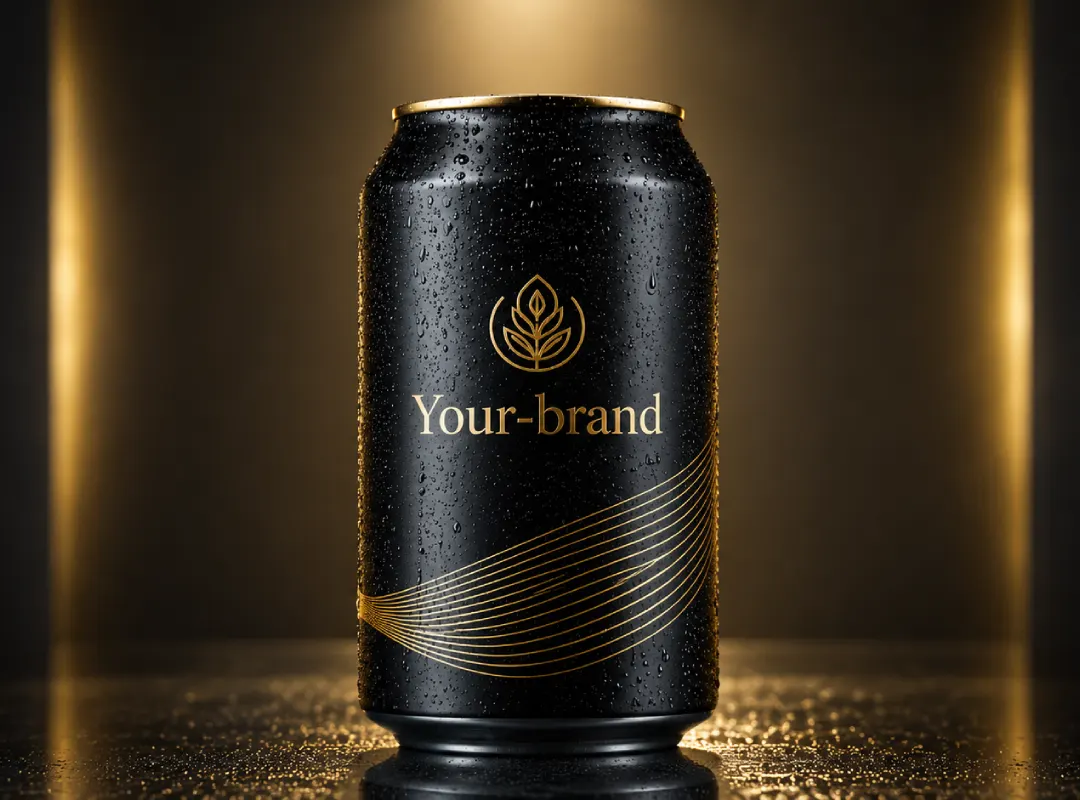
Camera centred precisely on the product’s central axis, perfectly level, with the frame composed to create absolute bilateral symmetry. The product is in the centre. Everything else in the frame mirrors left to right.
Product Shot Angles: This shot communicates something very specific: precision, order, and confidence. Brands that use symmetrical compositions in their visual identity, think of luxury skincare brands, premium tech companies, and architectural home goods labels, use this shot as an expression of their brand values through composition alone.
The symmetrical shot is harder to execute than it looks. Any slight deviation from true centre, in the camera position, the product placement, or the lighting balance, breaks the effect immediately. But when it is done correctly, it has a formal elegance that is immediately recognisable as intentional.
Lighting recommendation: Perfectly balanced lighting on both sides. Two softboxes of identical size and intensity, placed at equal distances and angles. Any asymmetry in the light breaks the symmetry of the image.
Platform use: Brand identity films. Premium product launches. Luxury goods campaigns. Digital advertising for high-consideration purchases.
13. The Over-the-Shoulder Lifestyle Shot
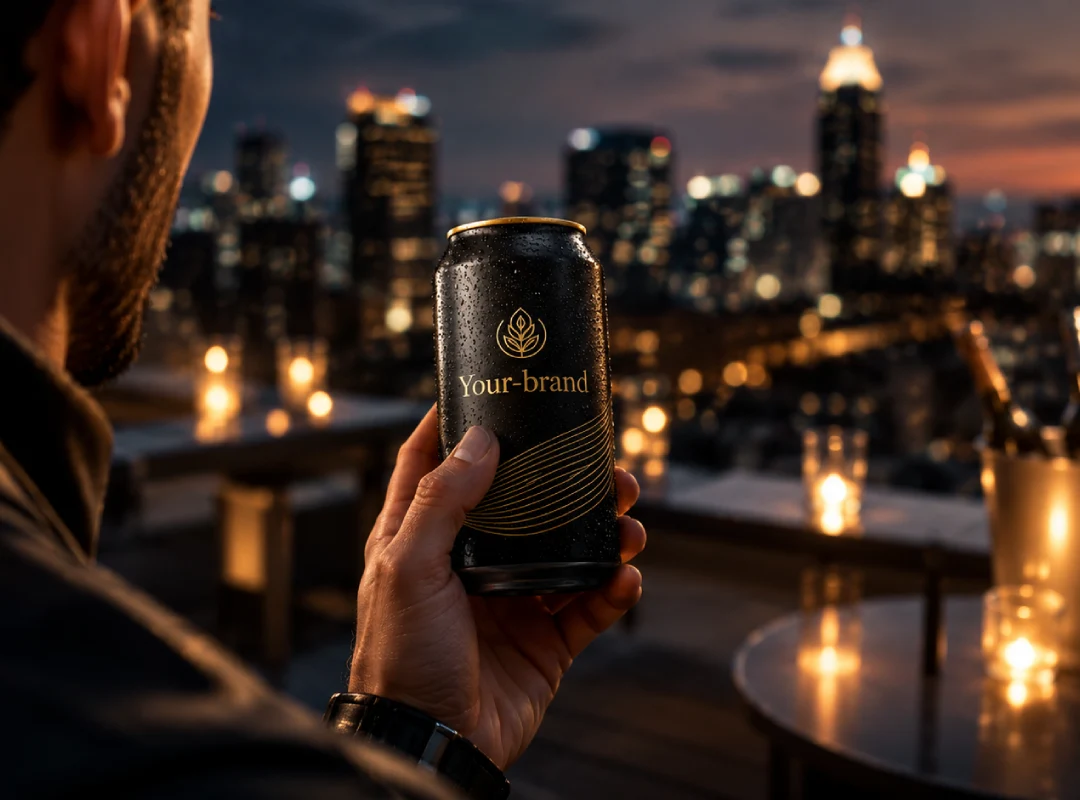
A human figure is shown from behind or at three-quarter angle, with the product visible in their hand, on their wrist, around their neck, or in use within the scene. The viewer sees the product from the perspective of someone watching the person use it.
Product Shot Angles: This shot is different from the direct in-use shot because the person is the context rather than the focus. The product exists within a life being lived, not as the centrepiece of a carefully arranged composition.
For D2C lifestyle brands, wellness brands, and apparel brands, this shot is crucial because it communicates a complete lifestyle territory rather than a product benefit. The viewer is not just seeing the product. They are being invited into a visual world, a morning, a walk, a moment, and the product lives within that world naturally.
Lighting recommendation: Natural or natural-feeling light that is consistent with the environment and time of day being depicted. This shot loses its power the moment it looks artificially lit. The light should feel like it belongs to the scene, not like it was set up for the shoot.
Platform use: Brand films. Lifestyle campaign imagery. Instagram feed posts that tell a story across a series. OTT and CTV advertising where the viewing context is longer-form.
14. The Before-and-After Reveal Shot
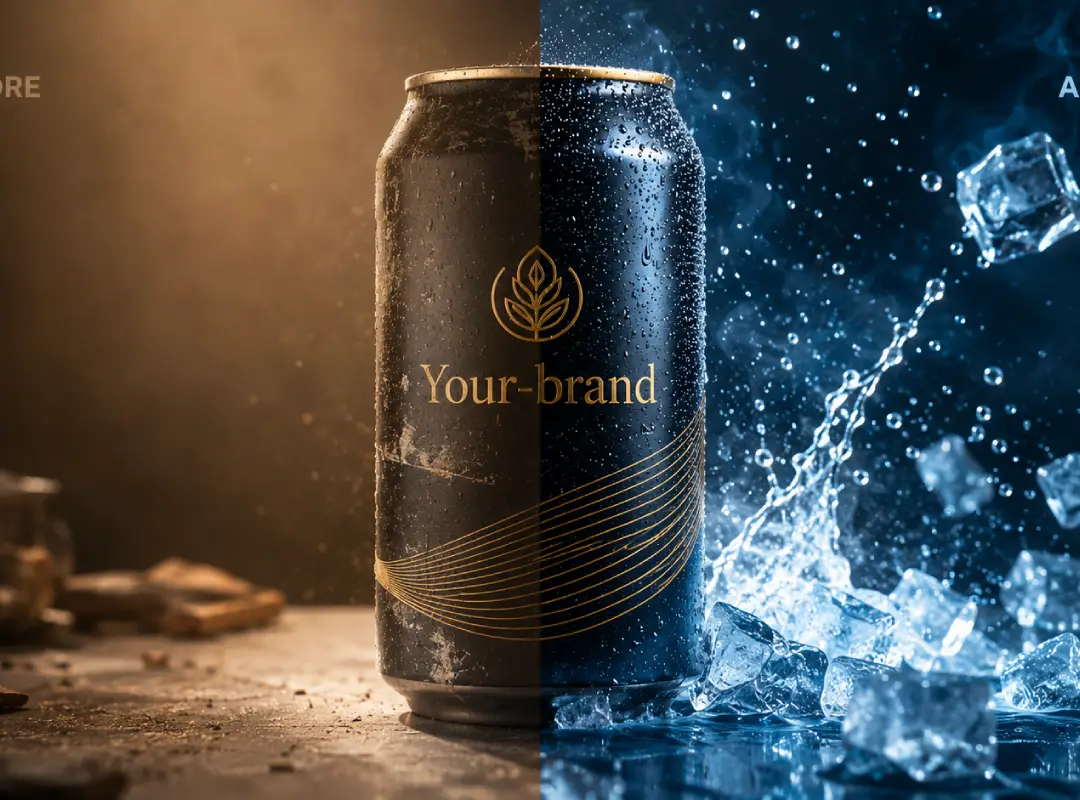
Two-frame or transitional shot showing the product’s effect. Can be a split screen, a wipe transition, a dissolve, or a motion-based reveal where the product separates two states.
This is not an angle in the strict technical sense. It is a shot construction that uses angle and framing to communicate transformation.
Product Shot Angles: For D2C brands in categories where the product’s benefit is demonstrable but not always visible, skincare, cleaning products, hair care, fitness supplements, the before-and-after shot does the work that no amount of text or voiceover can do as efficiently. It shows the product’s reason for existing.
The execution matters enormously. A poorly lit before-and-after looks cheap and can undermine the credibility it was meant to establish. A well-produced before-and-after with matched lighting, matched framing, and a clean transition is one of the highest-converting content formats in D2C advertising.
Lighting recommendation: Matching the lighting between the before and after states is essential. Any lighting variation between the two states will look like manipulation rather than product benefit, which is the opposite of what this shot is designed to achieve.
Platform use: Performance advertising on Meta and Google. YouTube pre-roll. D2C email campaigns. Landing page hero content.
15. The Abstract Texture or Material Close-Up | Product Shot Angles

Camera moves to an extreme close-up on a material, surface, or texture that is associated with the product without necessarily showing the product itself. The inside of a fabric. The grain of a wood component. The bubbles in a fermented beverage. The crystalline structure of a supplement ingredient.
This shot is the most conceptual of the fifteen and also the most misused. When done well, it communicates brand depth, ingredient quality, and material integrity in a way that no product label or voiceover claim can. When done poorly, it is just a close-up of something that the viewer cannot identify or connect to the product.
The key to making this shot work is the edit. The abstract texture shot must follow or precede a clear product shot that establishes context. On its own it is merely interesting. In sequence with a clear product shot it becomes a quality signal, a visual argument for why the thing you are being asked to buy is made from materials worth caring about.
Lighting recommendation: Extreme raking light at a very low angle to the surface to maximize texture visibility. The light should almost graze the surface rather than illuminate it from above.
Platform use: Brand film sequences. Ingredient-forward D2C campaigns. Luxury brand content. Short-form social content for engaged audiences who already know the brand.
How to Build a Shot List for a D2C Ad Film
Having fifteen angles in your knowledge base is useful. Knowing how to deploy them across a specific D2C film is the actual craft.
Most D2C ad films run between 15 and 60 seconds. Here is how the fifteen angles map to films of different lengths.
15-second D2C ad film: You have room for four to five distinct shots. The low-angle hero shot opens the film and establishes the product. One macro detail shot makes the quality argument. One in-use contextual shot shows the product living in a real moment. A pour or reveal shot if motion is relevant to the product. A closing hero or floating shot for the brand frame.
30-second D2C ad film: Seven to ten distinct shots. Open with the hero low-angle. Move through an in-use lifestyle sequence using the over-the-shoulder and contextual shots. Include two to three macro or detail shots for quality signalling. Build to a symmetrical or floating product shot for the brand close.
60-second D2C brand film: Twelve to fifteen shots. The full palette is available. Open with a visual territory, establish the lifestyle world with wide and over-the-shoulder shots, move through the product’s details with macro and texture shots, demonstrate benefit with the reveal or in-use shots, and close with the definitive hero shot that the viewer will carry out of the film.
The shots that work hardest in every format are the low-angle hero, the macro detail, the in-use contextual, and the pour or motion reveal. If a D2C film has nothing else, those four are the minimum viable visual vocabulary for making a product look like it is worth wanting.
The Production Day Implication
One thing that brands consistently underestimate about multi-angle product films: they take longer to shoot than expected, and that time on set is money.
A single well-executed hero shot might take forty-five minutes to set up and light properly. A macro detail shot requires repositioning the camera, changing lenses, and adjusting the light to a raking angle. The pour or motion shot requires multiple takes and possibly multiple pours of a liquid product, with full clean-up and reset between each take.
Across a fifteen-angle product film, a proper single-product shoot day should be budgeted at six to eight hours of studio time with a crew of four to six people. Brands that try to capture fifteen angles in two hours of studio hire produce fifteen poor versions of potentially great shots.
Allocate the time. The product is the whole point of the film. It deserves to be photographed properly.
Final Word from Cybertize Media Productions
A D2C brand’s product is not just what it is selling. It is who it is. The angles from which that product is filmed are the visual vocabulary through which the brand’s personality is expressed.
The fifteen angles in this guide are not a formula. They are a palette. A skilled director will choose eight of them, sequence them with intention, and produce a product film that makes the viewer feel something specific about what the brand is offering.
The brands that are winning in D2C advertising right now are not the ones with the biggest production budgets. They are the ones that understand what each shot is doing to the viewer’s relationship with the product, and who make those choices with creative conviction rather than by default.
In commercial advertising, a hero shot is a highly produced image that puts emphasis on creative strategy, technical execution, and production value in order to invoke emotions within a consumer that create a want, a desire, and a need to purchase a product or service from a specific brand.
Every shot in a D2C ad film can be that. Not just the hero. Every single frame is an argument for why the product is worth having. The angle is the first word of that argument.
At Cybertize Media Productions Private Limited, product film direction is one of the most precise and craft-driven parts of what we do. If you are planning a D2C campaign and want to talk through the shot architecture before the production brief is written, that is the conversation worth having first.
Cybertize Media Productions Private Limited is a full-service ad film and corporate video production company working with brands across India.