Table of Contents
Camera Requirements: Every production brief eventually reaches the same question. What camera should we shoot this on. It sounds like a technical decision, and on paper it is. But in practice, it is a budget decision, a workflow decision, and a storytelling decision all at once, and getting it wrong shows up in ways clients notice even if they cannot name what went wrong.
At Cybertize Media Productions, we get asked this constantly, usually phrased as “should we shoot on the same camera as [some film the client admired].” The honest answer is almost never yes, because that film was solving a different problem with a different budget and a different delivery format. The right camera is the one that matches what the project actually needs, not the one with the most impressive name attached to it.
What Ad Films Actually Need From a Camera
Ad films live and die on two things, visual polish delivered fast, and flexibility across formats. Most commercial work today needs to cut down into a 30 second broadcast spot, a 15 second social version, and a handful of 6 to 9 second bumpers, often for multiple aspect ratios across platforms.
This means an ad film camera needs strong dynamic range to protect highlights and shadows during aggressive colour grading, reliable skin tone rendering straight out of camera, and a workflow that does not slow down a tight shoot schedule. Resolution matters less here than people assume. A 4.6K or 6K image graded well will outperform an ungraded 8K image in almost every commercial context, because advertising is watched on phones and social feeds far more often than on a cinema screen.
ARRI vs RED vs Sony vs IMAX: A Direct Comparison
| Factor | 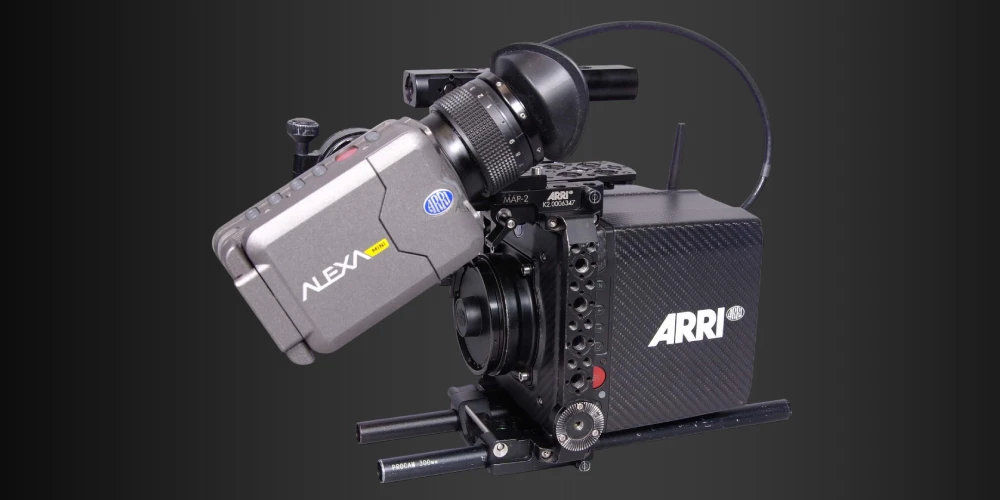
ARRI (ALEXA 35) |
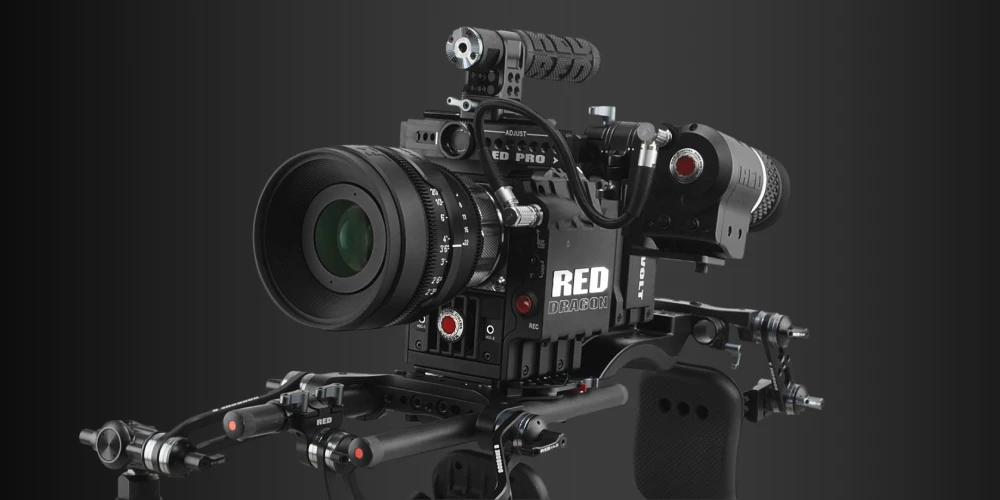
RED (V-RAPTOR series) |
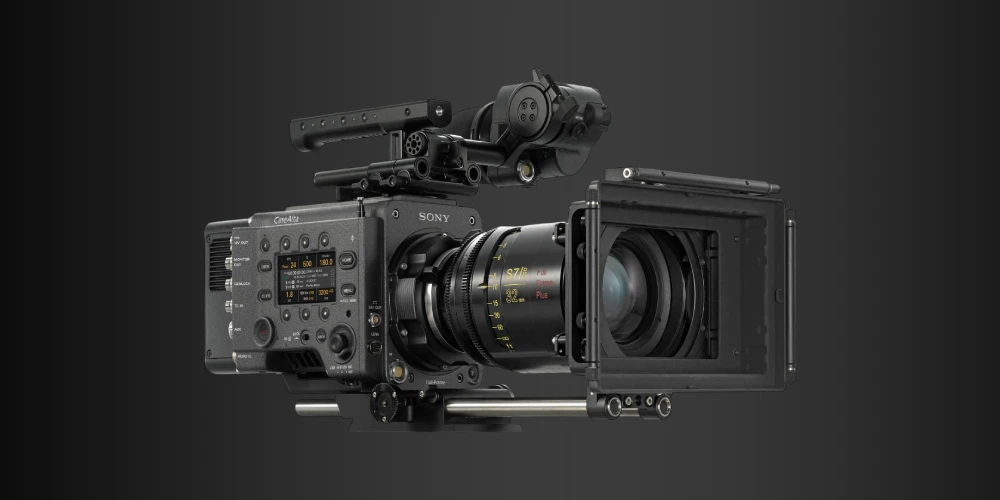
Sony (VENICE 2) |
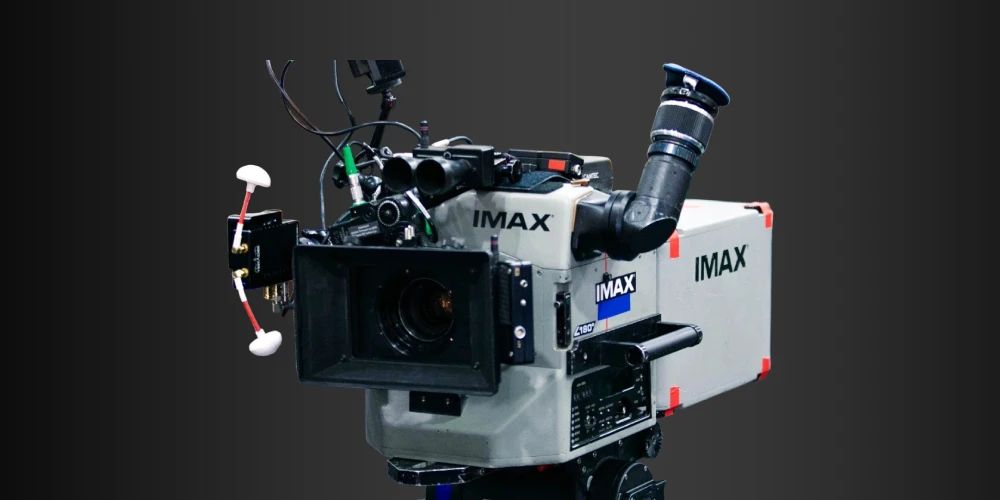
IMAX |
|---|---|---|---|---|
| Category | Cinema camera manufacturer | Cinema camera manufacturer | Cinema camera manufacturer | Format and certification system |
| Sensor | Super 35, 4.6K | Full frame Vista Vision, up to 8K | Full frame, up to 8.6K | 15/70mm film or certified digital cameras |
| Dynamic range | Approx. 17 stops, published methodology | 17+ stops claimed, closer to 16 in practice | 15+ stops, dual base ISO 800/3200 | Determined by the certified camera used |
| Colour science | REVEAL, LogC4, industry benchmark for skin tone | IPP2, strong but needs more grading | S-Cinetone, increasingly grade ready | Inherits the certified camera’s colour pipeline |
| Best suited for | Feature films, premium ad films, VFX heavy work | Resolution heavy work, modular rig setups, documentary | Full frame look, low light, brand storytelling | Large format feature and event cinema only |
| Typical use case fit | Studio features, hero brand films | Streaming series, effects driven commercials | Documentary style brand films, corporate interviews | Not applicable to ad, corporate or brand work |
| Rental cost tier | Highest | Mid to high, varies by configuration | Mid | Not a rental category, tied to full production budget |
| Workflow weight | Lightest, near deliverable footage | Heaviest, REDCODE transcode overhead | Moderate | Extremely heavy, specialised infrastructure required |
Camera Requirements: What Feature Films Actually Need From a Camera
Feature films are the opposite case. Resolution, dynamic range headroom, and long term archival flexibility all matter more, because a feature has to hold up on a large screen, survive a colour grade that may happen months after the shoot, and sometimes get remastered years later for a new format.
Directors and cinematographers on feature work also care deeply about a camera’s colour science, the specific way it renders skin, shadow detail and highlight rolloff before any grading happens, because that character shapes the entire look of the film. This is where brand loyalty in the industry runs deepest. A cinematographer who has built years of muscle memory around one system’s colour science will often choose it even when a competitor’s spec sheet looks stronger on paper.
What Corporate Films Actually Need From a Camera
Corporate films get underestimated constantly, and it shows in the output. A leadership message, an investor film, or an internal culture piece does not need cinema grade dynamic range to succeed, but it does need clean audio integration, fast turnaround, and a camera system that a smaller crew can operate efficiently, since corporate budgets rarely support a full feature sized crew.
Reliability matters more here than almost anywhere else. A corporate shoot often involves a CEO’s calendar, a one time interview window, or an event that will never happen again. The camera needs to work exactly as expected, every time, with a codec that editors can cut quickly without a heavy transcode step eating into an already tight post production timeline.
What Brand Storytelling Actually Needs From a Camera
Brand storytelling sits between advertising and documentary, and it usually asks the most of a camera system emotionally, if not always technically. These pieces rely on natural light, real locations, and unscripted or lightly directed moments, which means the camera needs strong low light performance and a forgiving dynamic range far more than it needs extreme resolution.
This is also where smaller, more discreet camera bodies earn their place. A founder telling their story on camera behaves differently in front of a large cinema rig than they do in front of a compact setup that feels closer to a conversation than a production. The best gear choice for brand storytelling is often the one that disappears fastest from the subject’s attention.
Camera Requirements of ARRI, RED, Sony and IMAX, Explained Simply
ARRI is widely treated as the industry benchmark for colour science and image reliability. The current flagship, the ALEXA 35, uses a Super 35 sensor and ARRI’s REVEAL colour pipeline, and it is documented at around 17 stops of dynamic range measured against ARRI’s own published noise floor standard. ARRI’s biggest strength is not a spec number, it is consistency. Editors and colourists widely describe ARRI footage as close to deliverable straight out of camera, which is exactly why it remains the default choice for the majority of major studio productions and a large share of premium advertising work.
RED built its reputation on resolution and a modular camera body system that production teams can configure for different rig setups, from handheld documentary work to heavy studio builds. The RED V-RAPTOR line reaches up to 8K, and RED states dynamic range above 17 stops, though independent testing generally finds the effective recoverable range closer to 16 stops under standard grading conditions, since RED’s figure is published without a fully disclosed measurement methodology. RED’s REDCODE RAW format is powerful but heavier to work with, and productions built around an ARRIRAW or ProRes VFX pipeline often find that ingesting REDCODE adds real time to the daily workflow that needs to be budgeted for in advance.
Sony occupies the middle ground between ARRI’s colour reputation and RED’s resolution focus. The Sony VENICE 2 offers a full frame sensor up to 8.6K, dual base ISO for stronger low light performance, and Sony’s S-Cinetone colour profile, which has become popular precisely because it needs less correction than older Sony colour science did. Sony cameras tend to be the practical choice for productions that need full frame’s shallow depth of field look, strong low light capability for documentary style brand work, and a rental cost that generally sits below ARRI’s premium tier.
IMAX is not a camera brand in the way the other three are. It is a certification and format ecosystem. “Shot on IMAX” refers to genuine 15/70mm film cameras, heavy, loud and extremely limited in availability, used on a small number of high profile productions for their unmatched native image scale. “Filmed for IMAX” is a separate, more accessible certification IMAX grants to specific high end digital cameras that meet its standards for image quality and expanded aspect ratio capture, meaning some ARRI, RED and Sony bodies can actually earn IMAX certification for a given project. For virtually all ad film, corporate and brand storytelling work, IMAX is not a realistic or necessary consideration. It exists almost exclusively in feature film and large format documentary territory.
Choosing the Right Camera for Your Actual Project
None of these systems is objectively better than the others. Each was built to solve a different production problem, and the spec sheet comparison genuinely does not tell the whole story, since dynamic range figures alone are measured differently across manufacturers and are not directly comparable without knowing the methodology behind them.
Camera Requirements: For most ad film and brand storytelling work in India, the decision usually comes down to Sony or ARRI depending on budget and the extent of colour grading planned in post. For corporate films, ease of operation and turnaround speed usually matter more than any of the four systems’ headline specs. For feature length or large format ambitions, the conversation shifts entirely, and that is the only context where IMAX genuinely belongs in the discussion.
The mistake we see most often is a client fixating on the camera name before the brief is even finished. Get the story, the delivery formats and the grading plan locked first. The right camera follows naturally from that, almost every time.
Which camera is best for ad films, ARRI or RED?
For most ad film work, ARRI is favoured for its colour reliability and fast, deliverable ready footage, which suits tight commercial post production timelines. RED can work well when a campaign specifically needs extra resolution for large format out of home placements, but it usually adds workflow time that needs to be planned into the schedule.
Is a Sony camera good enough for a feature film?
Yes. The Sony VENICE 2 has been used on numerous feature and premium streaming productions. Its full frame sensor, dual base ISO and S-Cinetone colour profile make it a strong choice, particularly for productions that want a full frame look without ARRI’s premium rental cost.
Do corporate films need cinema grade cameras at all?
Not usually. Corporate films benefit far more from reliable audio integration, efficient crew operation and fast post production turnaround than from extreme dynamic range or resolution. A well operated mid tier cinema camera almost always outperforms an over specced camera used inefficiently on a tight corporate schedule.
What does “Filmed for IMAX” actually mean?
It is a certification IMAX grants to specific high end digital cameras that meet its image quality and expanded aspect ratio standards. It does not require IMAX’s own film cameras. Several ARRI, RED and Sony camera bodies have received this certification for specific productions.
Is IMAX ever relevant for advertising or corporate video?
Practically, no. IMAX exists almost entirely within feature film and large format event cinema. Advertising, corporate and brand storytelling work is delivered on screens and formats where IMAX certification offers no practical benefit relative to its cost and complexity.