
Table of Contents
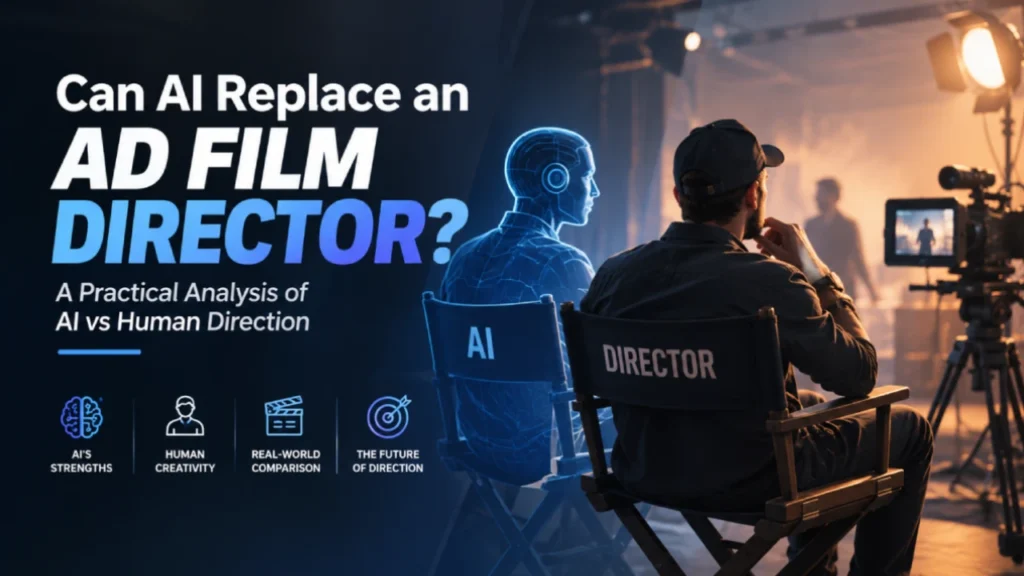
Can AI Replace an Ad Film Director? A Practical Analysis of AI vs Human Direction
The question keeps coming up in client meetings now, usually asked half seriously. If AI can generate a full video from a text prompt, does a production even need a director anymore. It is a fair question. AI video tools genuinely have gotten good enough in 2026 to make it worth asking properly, instead of dismissing it or answering it with marketing reassurance.
So we are going to answer it the only useful way, by breaking a director’s job into its actual parts and checking each one against what AI can currently do, not what it promises to do next year. A director’s job has never been one skill. It is closer to nine overlapping ones, and AI’s readiness looks completely different depending on which one you are asking about.
Creative Interpretation
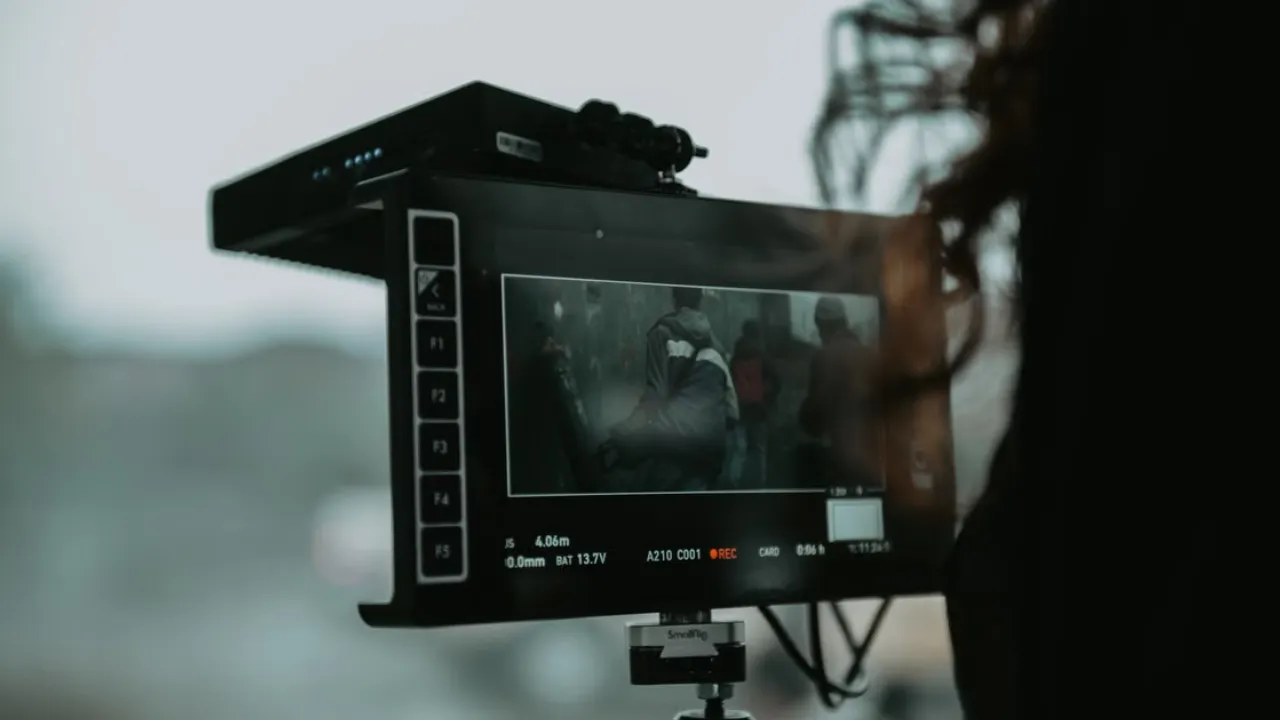
This is the job of reading a brief and deciding what the ad actually needs to feel like, not just show. A brief that says “warm, aspirational, festive” gets interpreted by a director into a specific visual language, a colour palette, a pacing rhythm, a tone that a client will recognise as right even if they cannot articulate why.
AI tools are genuinely useful at the front end of this, generating multiple visual directions quickly for a director to react to and refine. But interpretation itself, deciding which of those directions actually serves the brand and the audience, remains a human call. Industry survey data backs this up directly. In Canva’s 2026 State of Marketing and AI report, 87% of marketing leaders said the best advertising still needs a human touch, even as 99% of them planned to increase AI budgets the same year. Those two numbers are not contradictory. They describe exactly this split, AI as an accelerant for interpretation, not a replacement for it.
Actor Direction
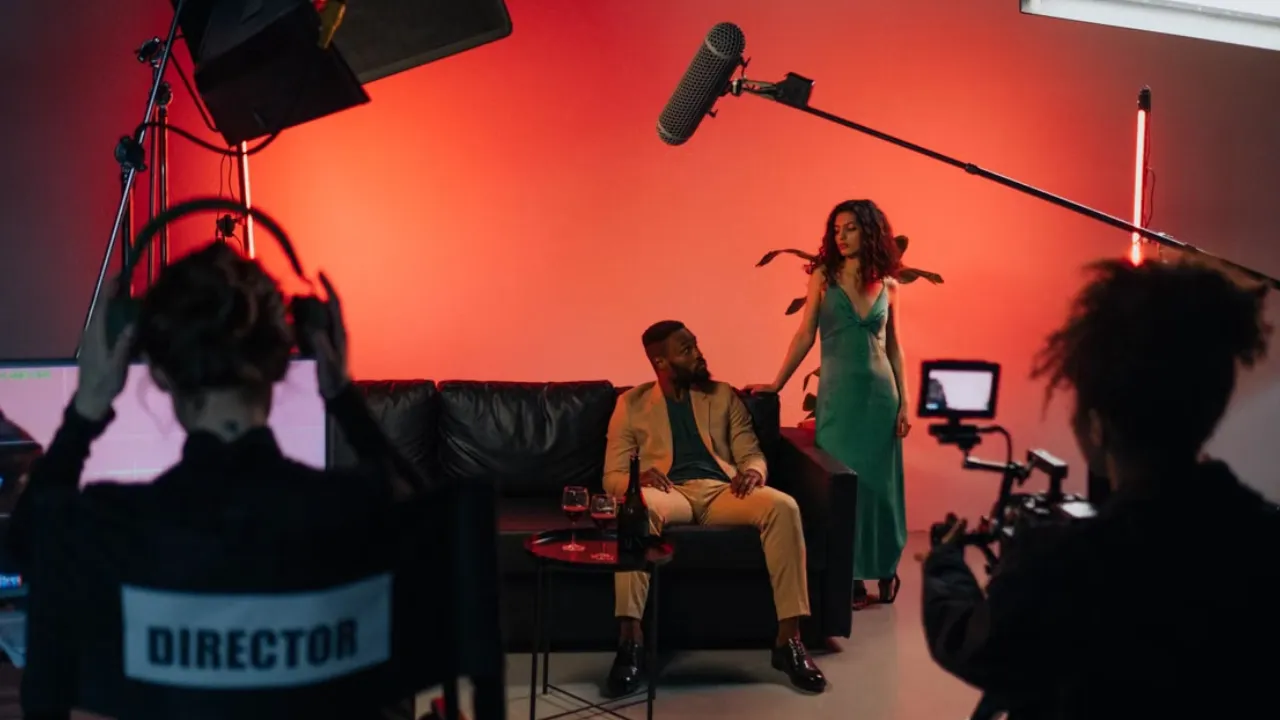
This is where the gap is currently widest. Actor direction is about pulling a specific, believable emotional performance out of a real person, reading micro expressions, adjusting delivery take by take, building trust so an actor feels safe enough to be vulnerable on camera.
AI video generation in 2026 still struggles with exactly this. Documented failure modes include character details, expressions and even facial features shifting from frame to frame within a single generated sequence, and identity drift between separate shots of what is supposed to be the same character. Reference image workflows help stabilise appearance, but they are described even by AI tooling companies themselves as useful controls, not guarantees of consistent performance across shots. There is no current equivalent of a director quietly adjusting an actor’s emotional delivery between takes. AI can generate a face performing an emotion. It cannot yet direct a performance the way a human can coax one out of another human.
Camera Decisions
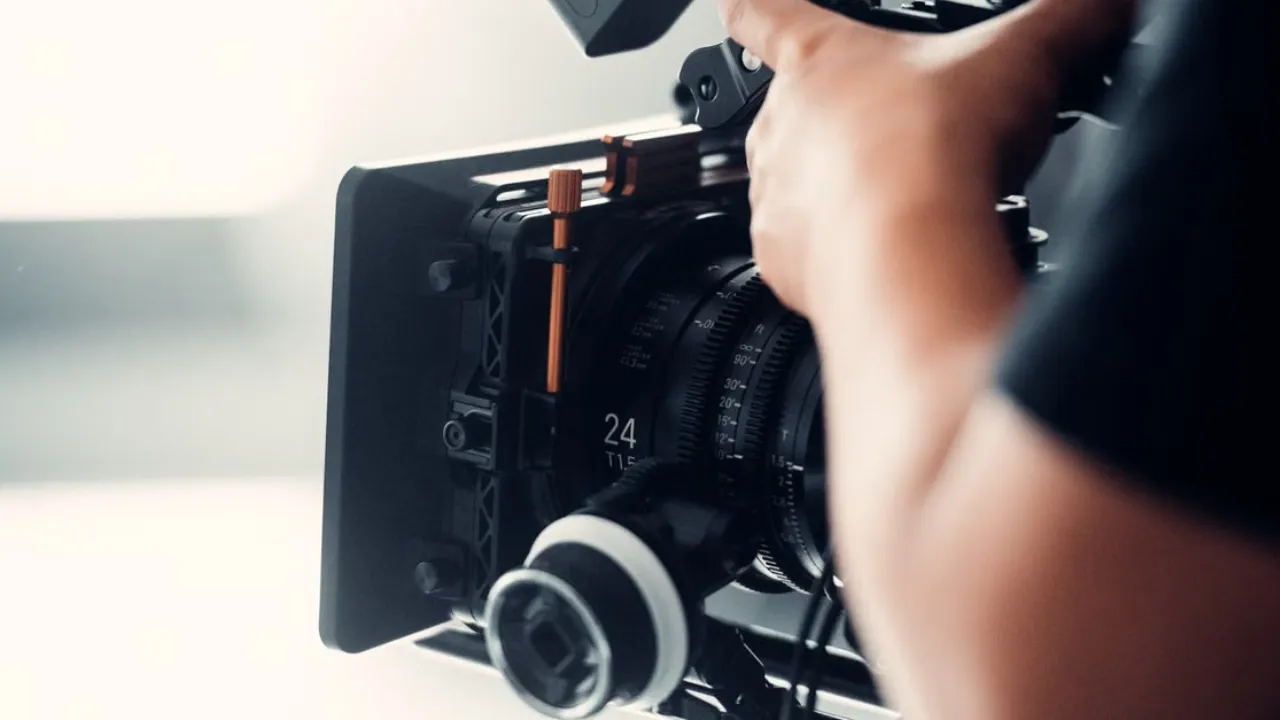
This is the responsibility AI has advanced on the fastest. Early text to video models responded poorly to specific camera instructions. That has changed substantially. Leading models in 2026 now respond with real precision to cinematographic language, a slow push in, a rack focus from foreground to background, an aerial drone circling a subject, and some APIs now accept structured parameters like camera pan direction and speed directly, rather than relying purely on descriptive prompts.
This genuinely narrows the gap for previsualisation and certain b-roll style shots. Nature, environment and product motion footage in particular are described by current industry assessments as often reaching commercially usable quality straight out of these tools. But camera decisions on an actual live shoot are still bound to the physical realities of a location, the actor’s blocking, and a hundred small judgment calls a director and DP make together in real time, none of which a pre-generated AI shot can adapt to on the fly.
Blocking
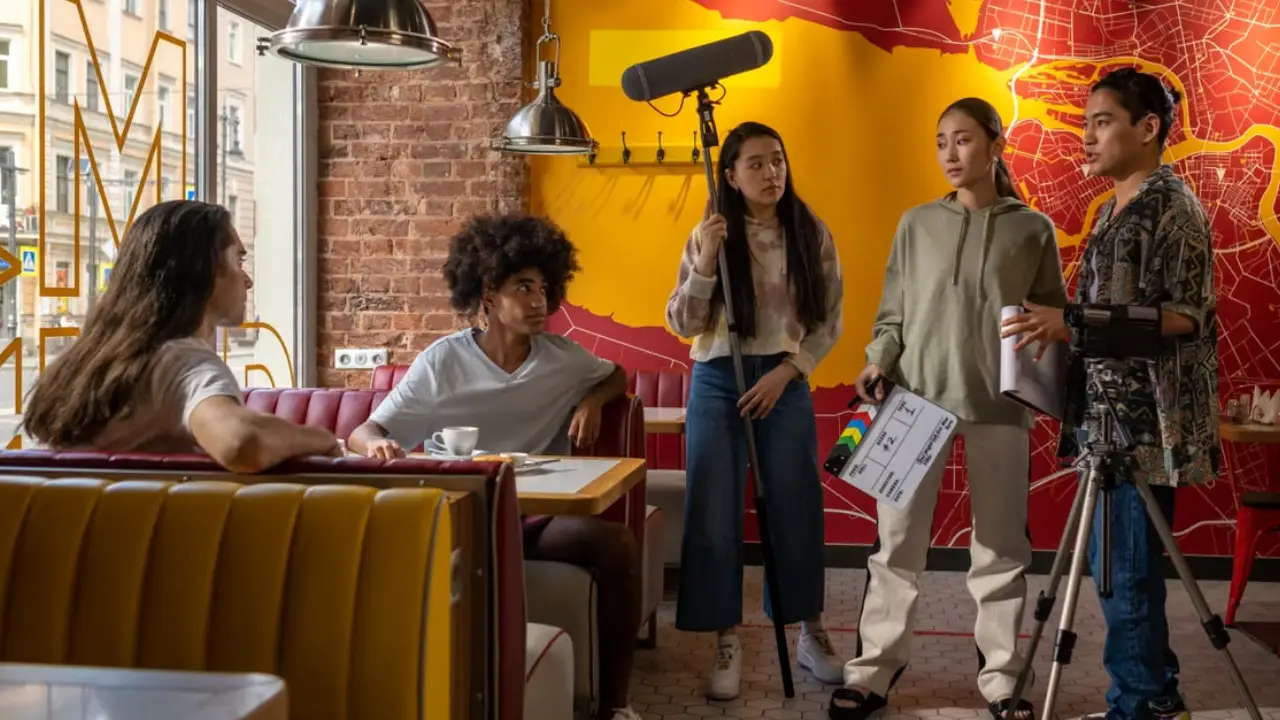
Blocking, the physical arrangement and movement of actors and camera within a scene, is one of the more clearly human dependent responsibilities on this list, because it is fundamentally a live, spatial, collaborative decision made with real people in a real location. Some newer AI video APIs are beginning to offer basic actor blocking controls within generated scenes, letting a user specify rough positioning and movement paths. This is promising for previsualisation.
It is not the same job. On an actual shoot, blocking adjusts constantly, an actor’s natural movement changes the plan, a location’s actual dimensions do not match what was previsualised, a camera operator finds a better angle mid rehearsal. AI blocking tools currently work inside a generated, contained scene. A director blocks inside the unpredictable physical world, which remains a meaningfully different and harder problem.
Pacing
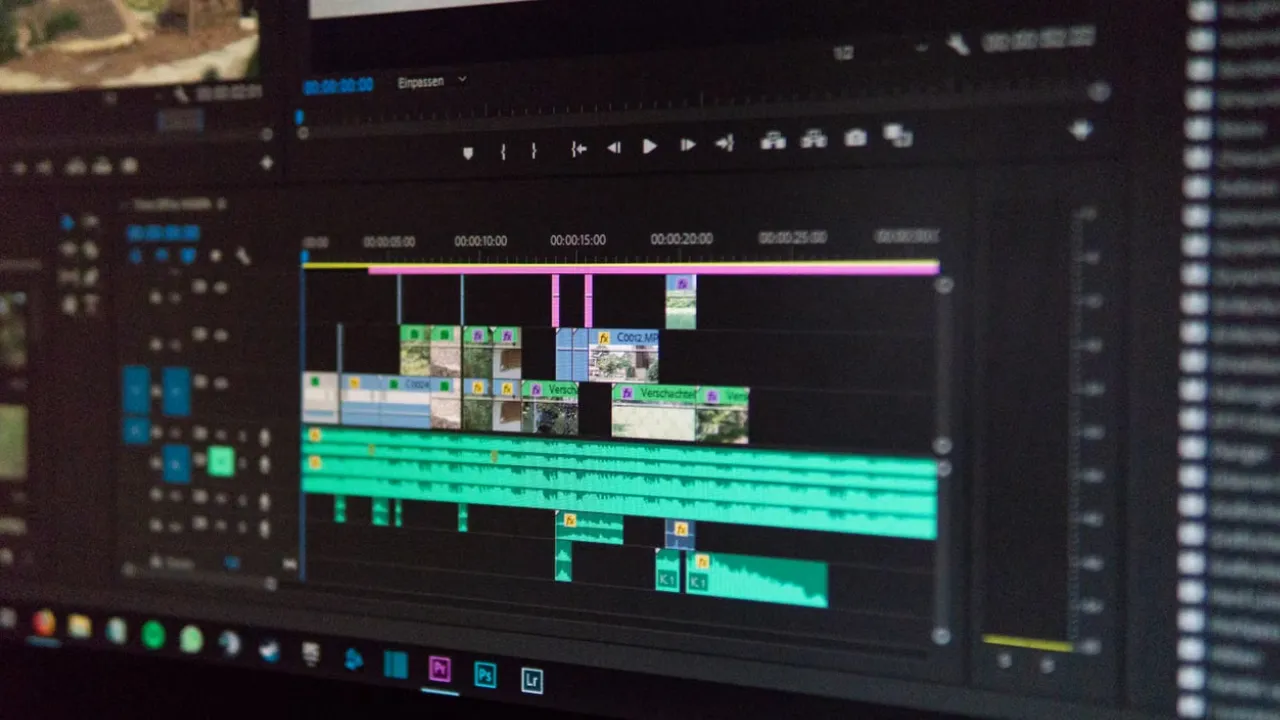
Pacing is the invisible skill that separates a competent ad from a genuinely effective one, the decision about how long to hold a shot, when to cut, how a sequence builds tension or releases it. It happens partly at the script and storyboard stage and partly, just as importantly, in the edit.
AI tools can generate individual shots well. They currently offer far less judgment about how those shots should be assembled and timed relative to each other to create a specific emotional rhythm. This is closely related to why 70% of consumers in the Canva study said AI generated ads feel like they are “missing their soul,” even as adoption of AI tools climbed sharply. Pacing is frequently the reason a technically well made piece of content still feels flat, and it remains one of the harder things to encode into a generation pipeline.
Brand Interpretation
This is a director’s ability to translate a brand’s identity, its values, its market position, its history with its audience, into visual choices that feel consistent with everything the brand has said before, even in a completely new creative execution. It is closely tied to reputational risk, which is exactly why marketing leaders remain cautious here even as they embrace AI elsewhere.
Survey data on this point is unusually direct. 88% of advertisers report AI delivering some form of performance improvement, but trust drops sharply the closer AI gets to judgment calls, and marketers remain far more selective about letting AI handle brand consistency decisions than they are about letting it handle production speed. Multiple brands faced public backlash in 2026 specifically from AI generated campaigns that tested well internally but landed badly once released, a pattern attributed directly to AI’s inability to anticipate cultural and reputational context the way an experienced human can.
Client Communication

This responsibility barely overlaps with anything AI video tools are built to do. A director translating a nervous client’s vague feedback, “it needs more energy,” into a specific, actionable creative change is a relationship and interpretation skill, not a generation task. It involves reading a room, managing expectations, and building the kind of trust that gets a client comfortable approving a bold creative choice instead of the safe one.
This is consistently the responsibility industry analysis flags as the least automatable across marketing and creative roles broadly. Strategists and creative directors are explicitly described as becoming more valuable, not less, as AI absorbs execution heavy tasks, precisely because relationship driven judgment sits outside what current AI is built to do.
On Set Improvisation

Every experienced director has a story about the shoot that did not go according to the storyboard, weather changed, a location fell through, a client showed up wanting something different on the day. Handling that live, with a full crew and clock running, is one of the most distinctly human parts of the job.
AI video generation, by its nature, works from a fixed prompt or reference toward a generated output. It has no equivalent of standing on a location that looks different from what was planned and adapting a shot list in real time with a crew. Even AI focused production guides acknowledge this limitation implicitly, recommending that teams test a single difficult shot before committing to a full AI generated sequence, precisely because generation results vary and often are not final on the first attempt, the opposite of the real time decisiveness on set improvisation demands.
Emotional Storytelling
This sits underneath every other responsibility on this list. It is the director’s ability to sense what will actually move an audience, not what tests well on a spec sheet. It is instinct built from watching thousands of hours of footage, reading rooms, and understanding a specific culture’s emotional register.
The consumer trust data speaks to this most clearly of anything in this analysis. Even as AI adoption in marketing climbed to 91% in 2026, seven in ten consumers still describe AI generated ads as missing something essential, a soul, for lack of a better word. That gap has not closed as the technology has improved technically. If anything, it has become more visible, because audiences are getting better at spotting technically competent content that does not actually move them.
So, Can AI Replace the Director
Broken down this way, the honest answer is neither a confident no nor an inevitable yes. Camera decisions and early visual concepting are genuinely closer to AI competence than most directors expected two years ago. Actor direction, client communication, brand judgment and emotional storytelling remain firmly, measurably human, not because the technology has not caught up yet, but because these responsibilities depend on reading other humans, which is a fundamentally different problem than generating a plausible frame.
The realistic shift already happening across the industry is not replacement, it is redistribution. Marketing leaders overwhelmingly describe AI as a director’s collaborator, not a director’s replacement, and the data backs that framing better than either extreme headline does. The directors who will struggle in the next few years are not the ones AI is coming for. They are the ones who refuse to use it for the parts of the job it has genuinely gotten good at, and end up slower and more expensive than directors who have absorbed these tools into their process without letting the tools make the calls that actually require a director.